Let’s remember what Labor Day isreallyabout.

1.Labor Day’s origins are shrouded in blood.

Why did they want to avoid this?

September calendar with Labor Day circled in red on the 4th. The highlighted date falls on a Monday

Also…remember that strike I mentioned on May 1?

It didn’t end well.

The US wanted to avoid commemorating this event and emboldening workers to fight even harder for their rights.
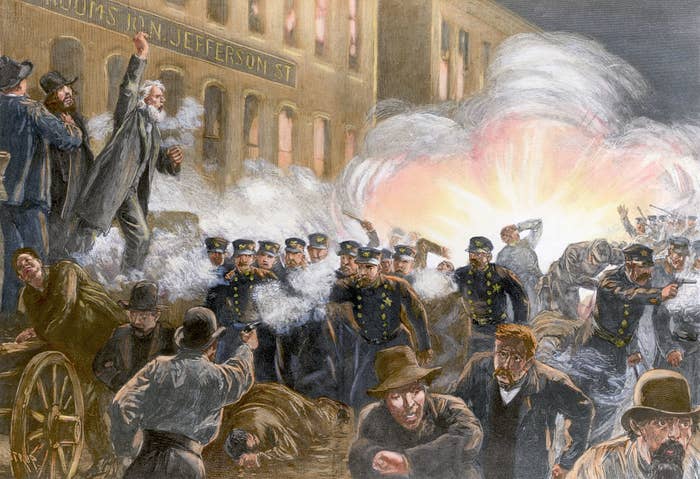
Illustration of the Haymarket Riot with police clashing with protesters, an explosion occurring in the background, and chaos ensuing in the street

2.The Texas Revolution isoften sanitizedin history books, particularly in Texas.

Mexico had outlawed the practice, which upset Texans, whose main industry was cotton.

The supposedly “brave” fighters died essentially defending slavery.
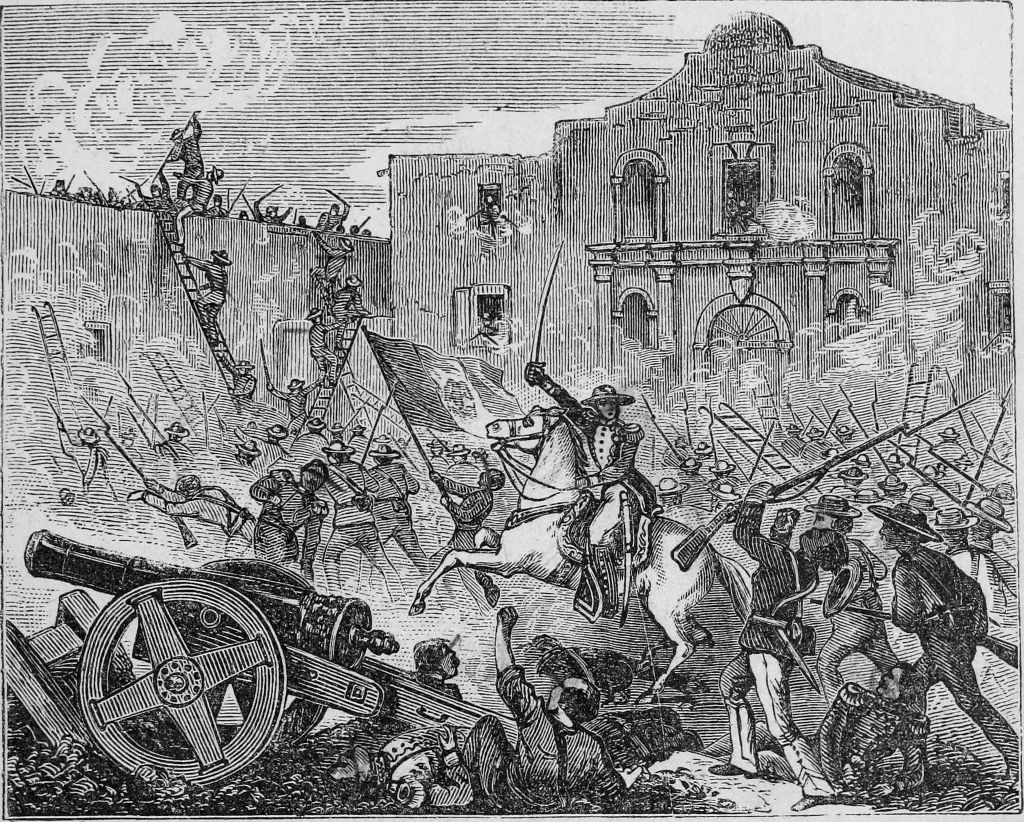
Historic depiction of the Battle of the Alamo, showing soldiers in combat, including one mounted on a horse, fences, cannons, and building under siege

This greatly impacted the Native Americans, who relied on the buffalo for food and hides.

One Sioux chief fled with a group of Lakota, heading for another reservation in the state.

Troops found them, arrested the chief, and began to confiscate weapons.
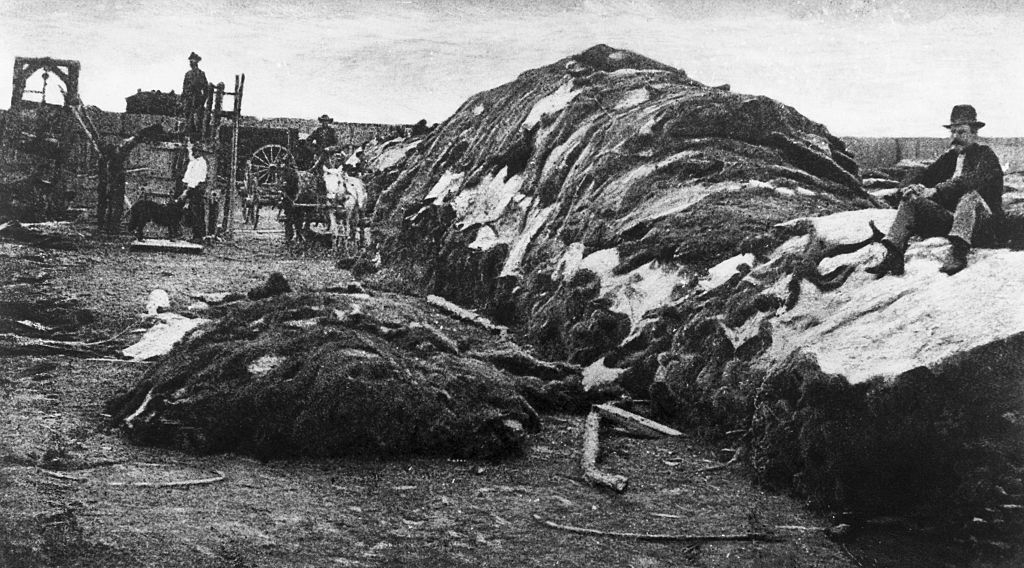
Historic photo of workers in the 1800s with buffalo hides piled high, illustrating the American buffalo extermination

Only 25 American soldiers were killed, mostly from friendly fire.

  • This was not the case.

Two-thirds were women and children, and many of the rest were older adults.
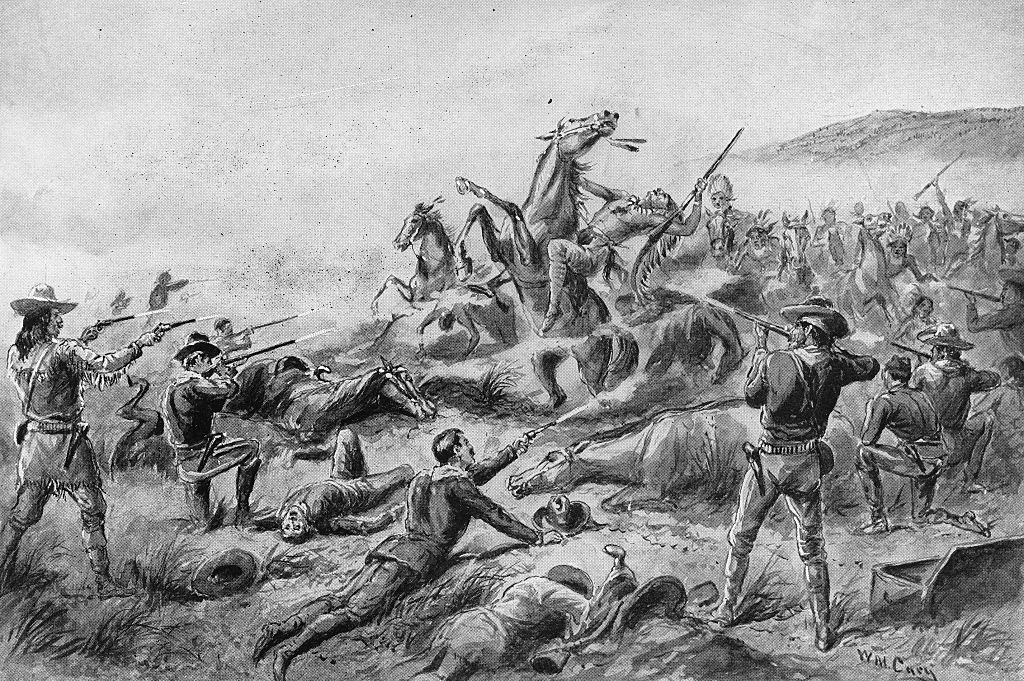
Historical drawing depicting a chaotic battle scene during the Old West era, with soldiers and horses engaged in intense combat

Residents, who had only days to leave their homes and businesses, lost $400 million in property.

Anyone with even 1/16 of Japanese heritage had to go.

Two-thirds of the interned peoplewerefull American citizens who had been born in the US.
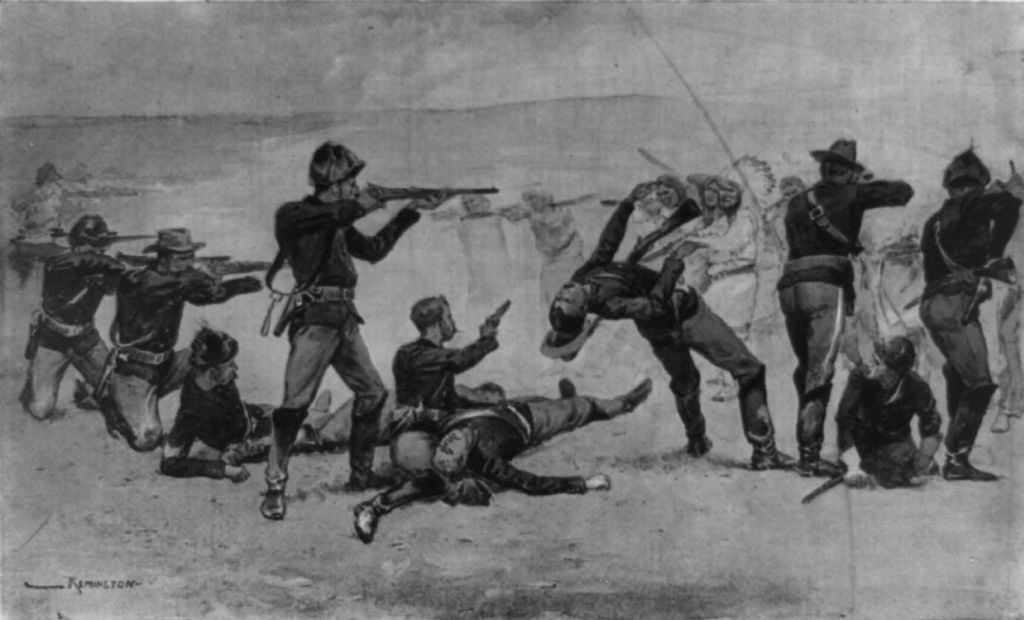
Historical drawing depicting a battle between American soldiers and Native Americans during the late 19th century, with soldiers fighting and some falling to the ground

(It’s unclear if they actually were.)

The US Government didn’t apologize until 1988.

They then paid out $20,000 in reparations to each surviving internment victim.
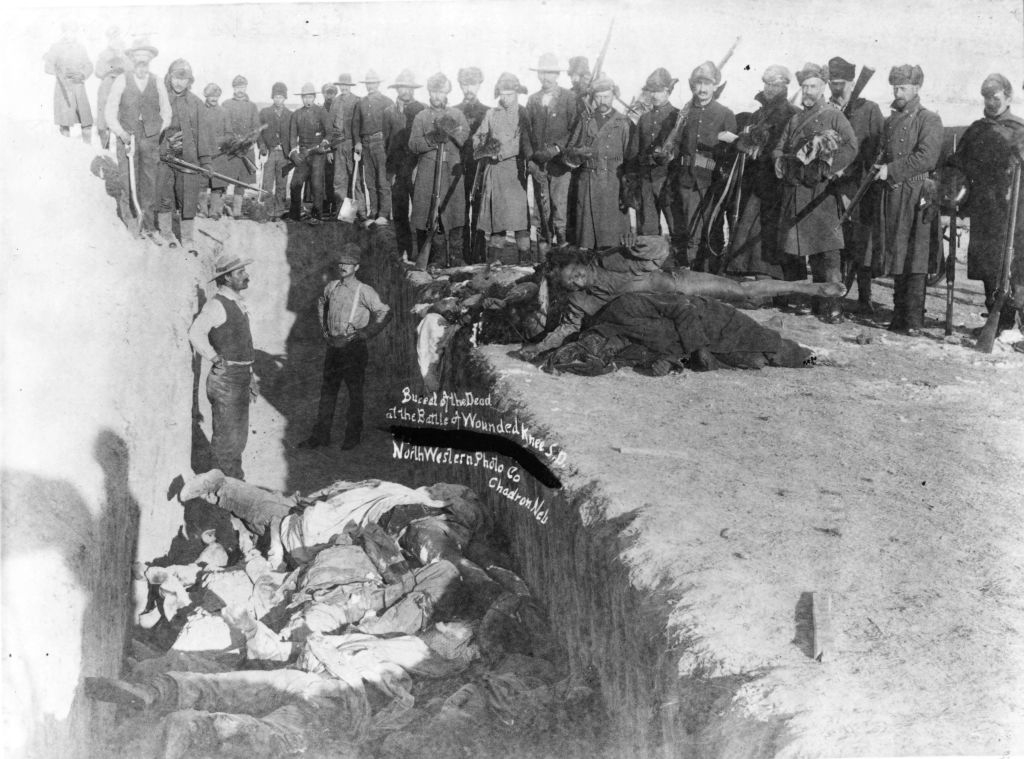
Historical photograph of the Wounded Knee Massacre, showing victims in a mass grave and armed soldiers standing at the edge

6.The contributions of Black soldiers in the Revolutionary War are almost invisible in most American education.

And yet, we rarely learn about them, and few were recognized in any way at all.

The onlyreparationsthat have been paid out over American slavery have gone to enslavers.
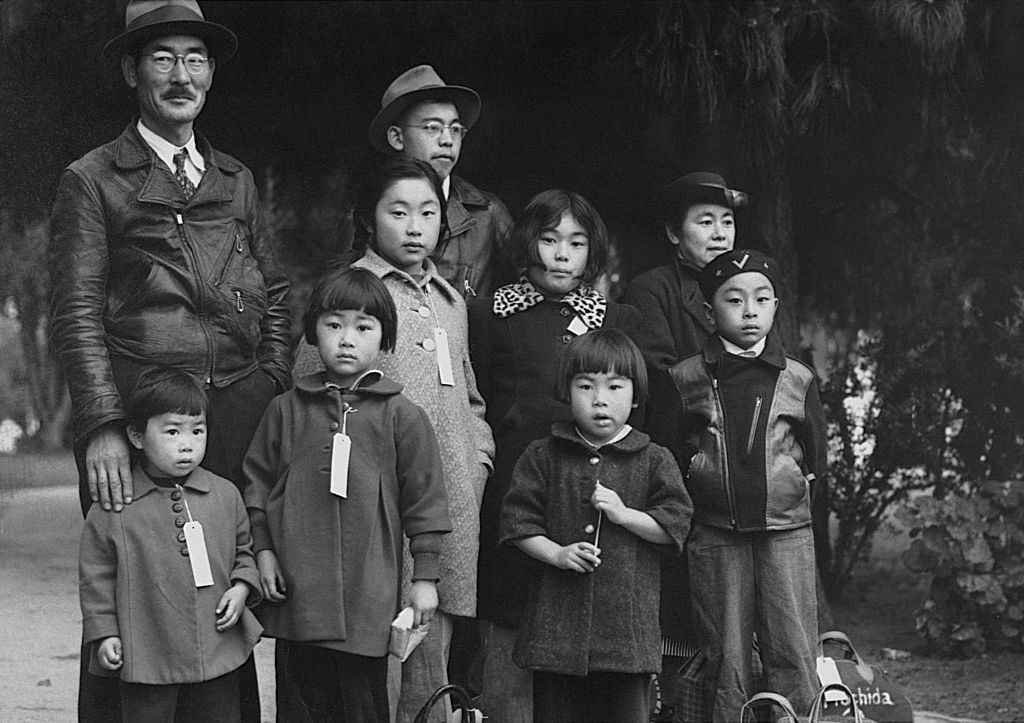
A historical family photo shows seven children and two adults, all wearing numbers tags, in front of a dark background

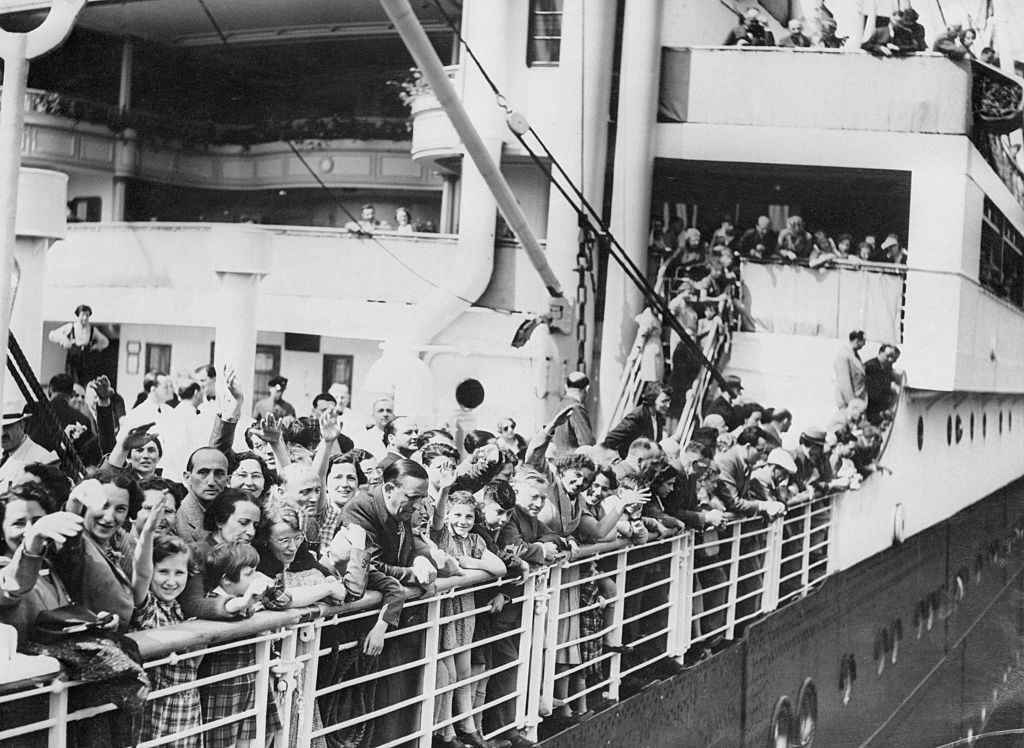
Countries that did accept Jewish refugees includedChinaandthe Philippines.

The children often dealt with abuse, forced physical labor, and poor conditions.

They did not know that they were being experimented on.
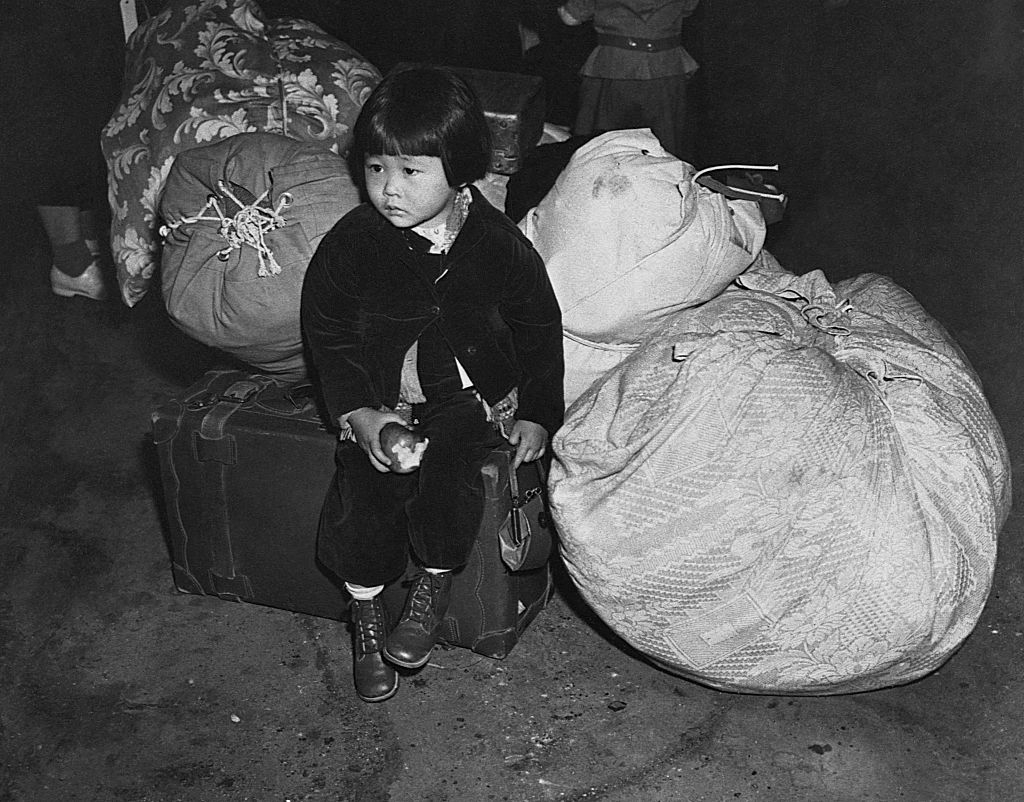
A young child sits on a suitcase, holding an item, with large tied bundles in the background. The image has a historical feel

The experiments were not for any grand purpose, either.

This did aid in creating a vaccine.

Many of these inmates were illiterate.
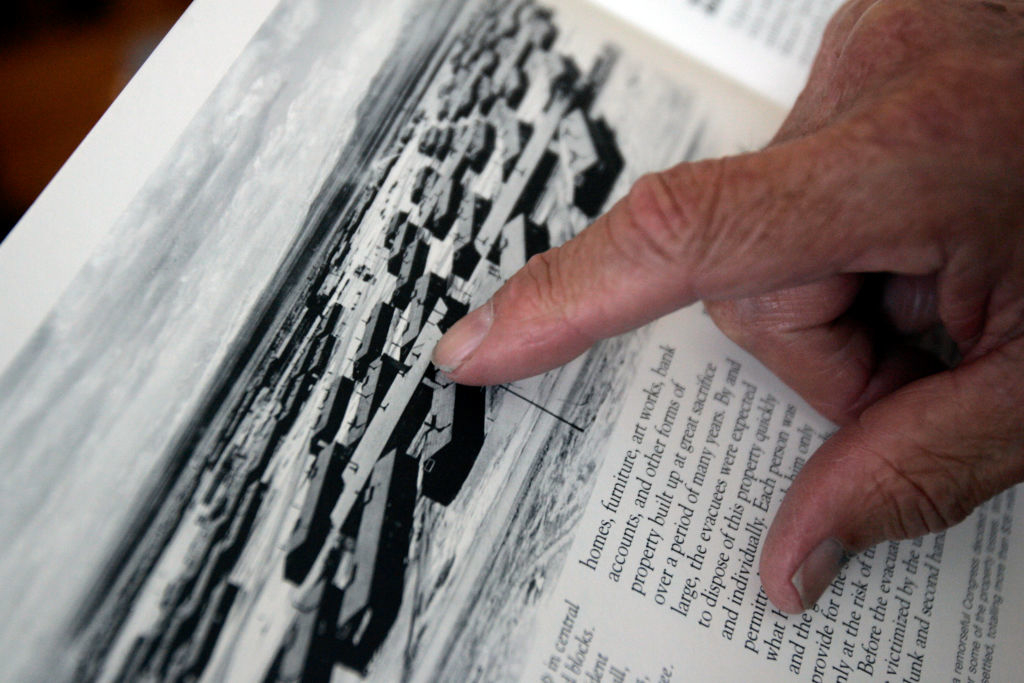
A close-up of a hand pointing to a black and white photograph of a historical site along with accompanying text in a book

He partnered with Johnson & Johnson and Dow Chemical Corporation.

Kligman alsoran testson women at the House of Correction in Philadelphia, funded by UPenn.

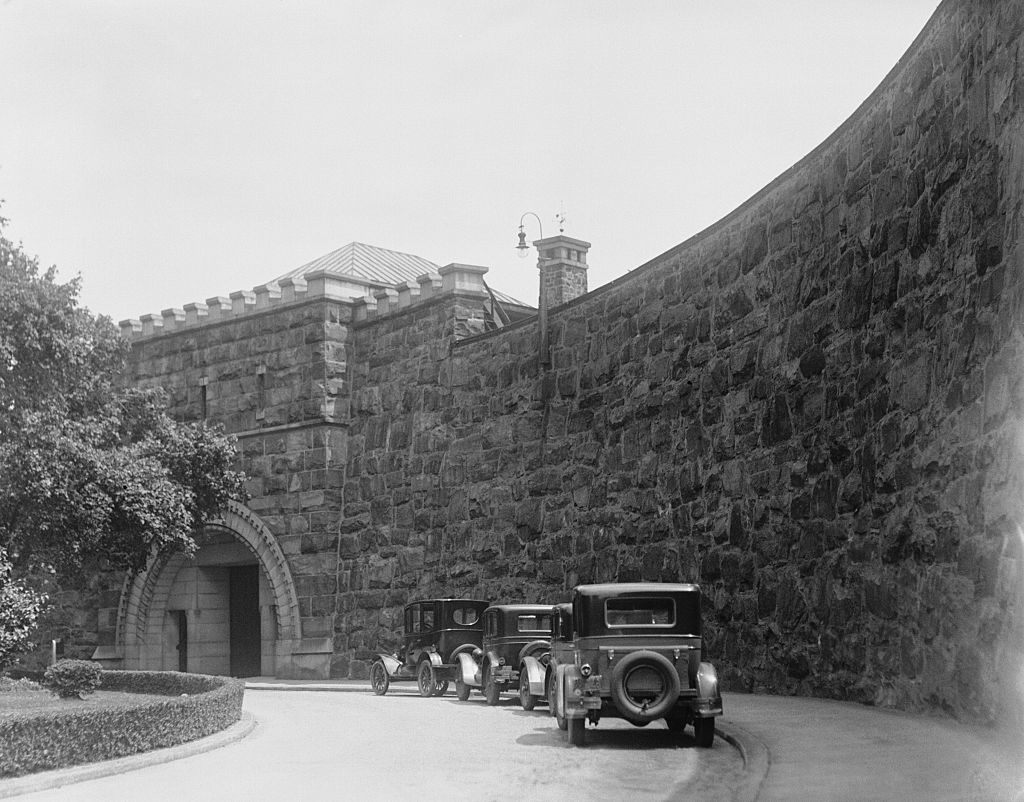
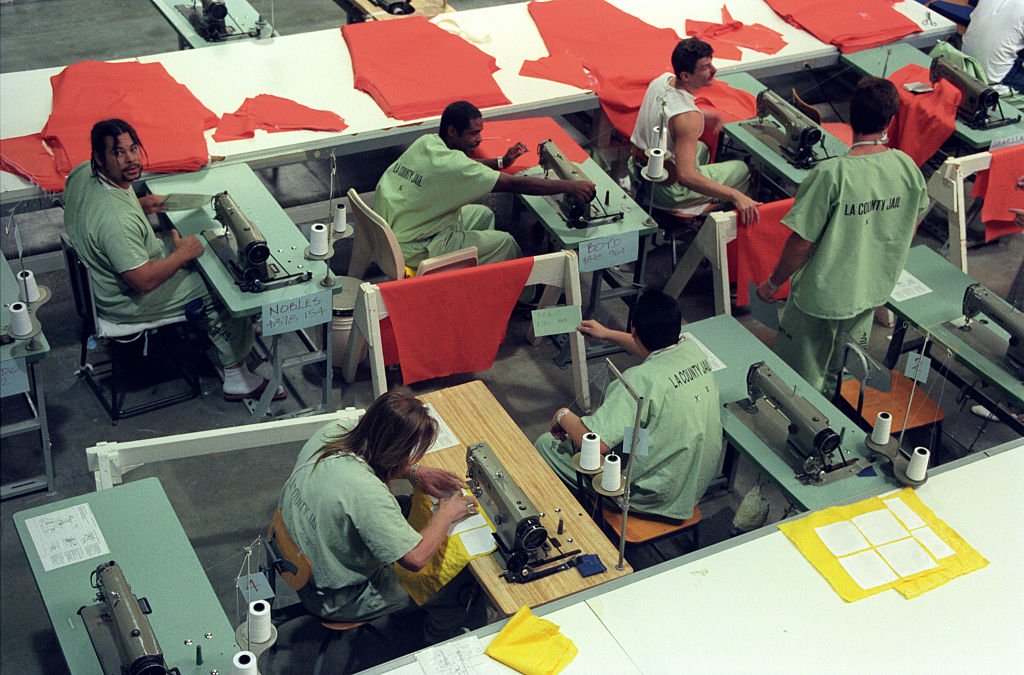
15.Speaking of prisoners, did you know that there isnominimum wage for prison workers?
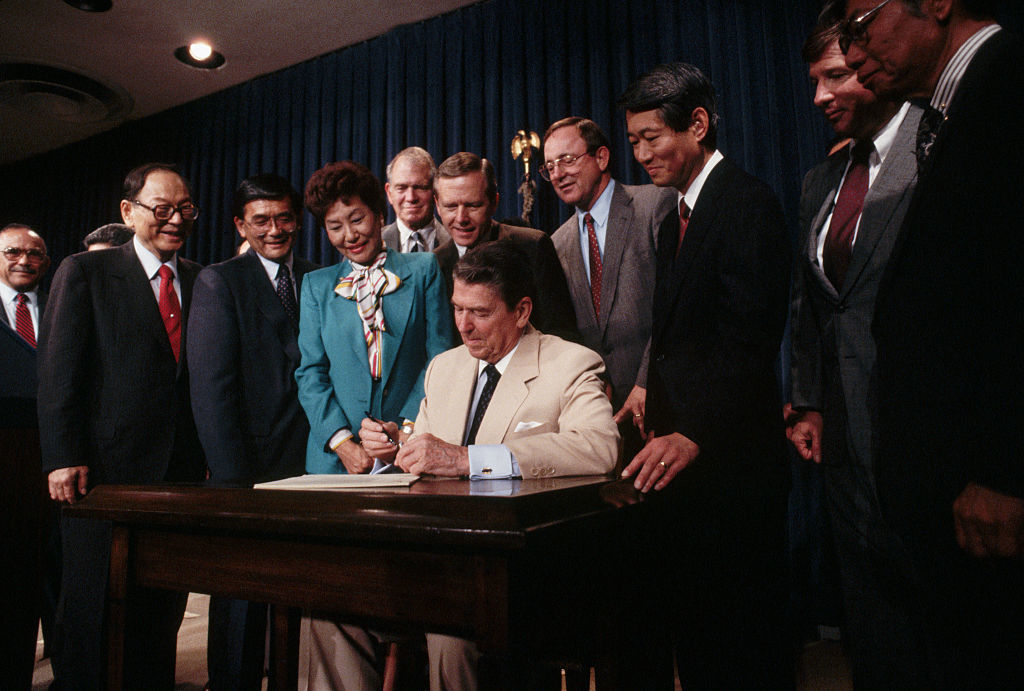
Ronald Reagan signs a document at a table surrounded by various individuals, including Norman Mineta, Robert Dole, Spark Matsunaga, and Katie Hall

Oh, and prisonershaveto pay for their room and board out of their wages.

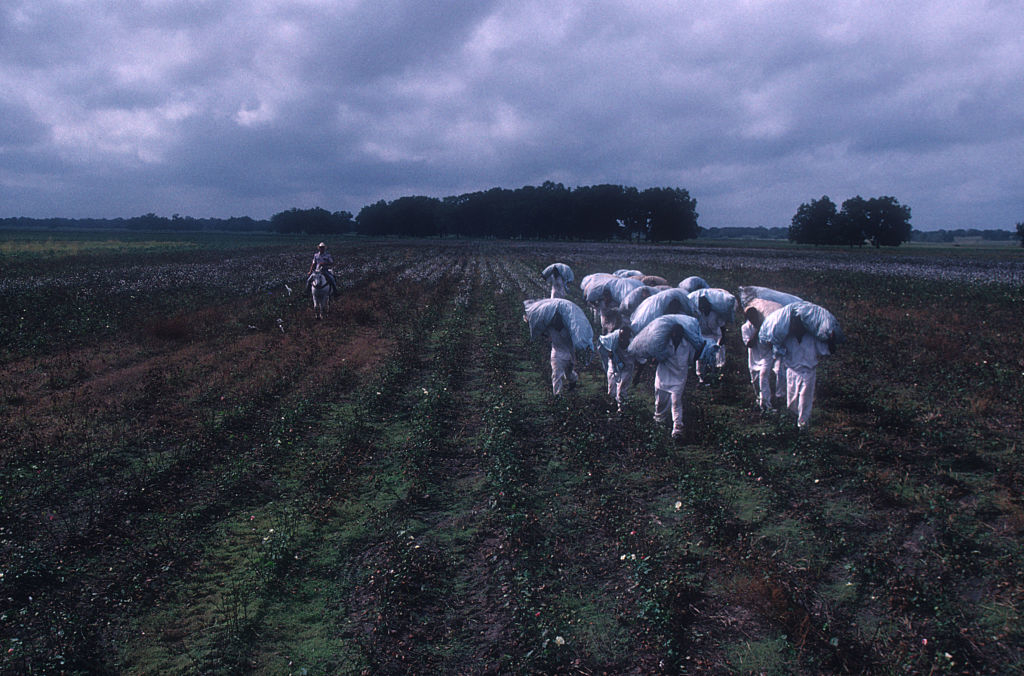
16.Some workersharvest cropson former plantations, and some evenpick cotton.

It’s worth noting, of course, that Black Americansaredisproportionally incarcerated.
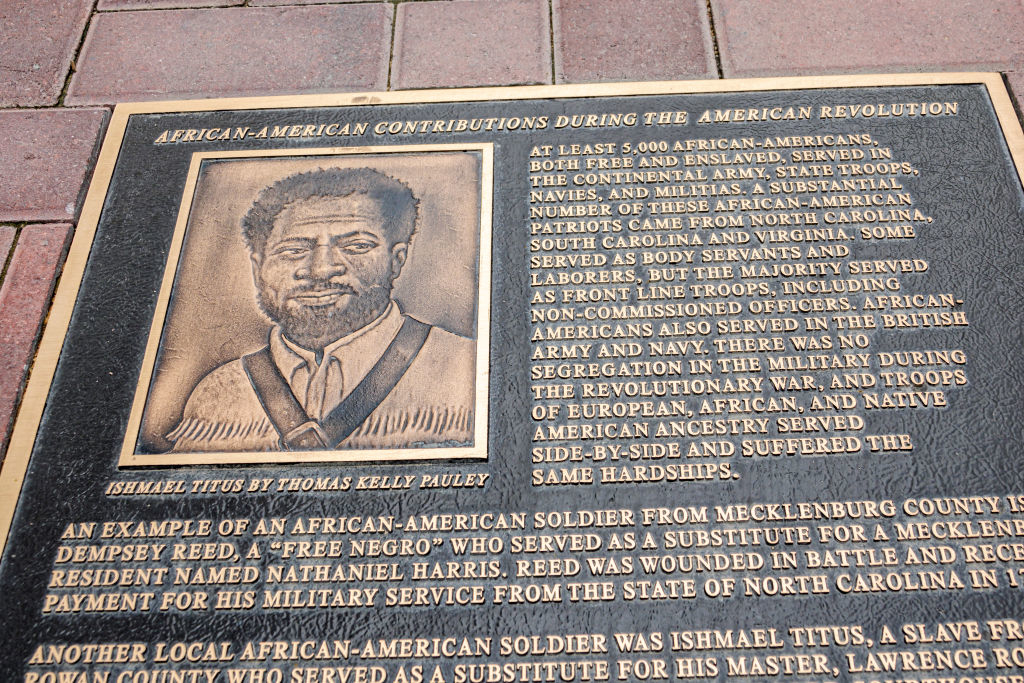
Bronze plaque titled "African-American Contributions During the American Revolution" with a portrait of Ismael Titus and text detailing contributions of African-Americans

Chain gangs also aren’t as antiquated as you think Alabama brought thembackfor a year in 1995.

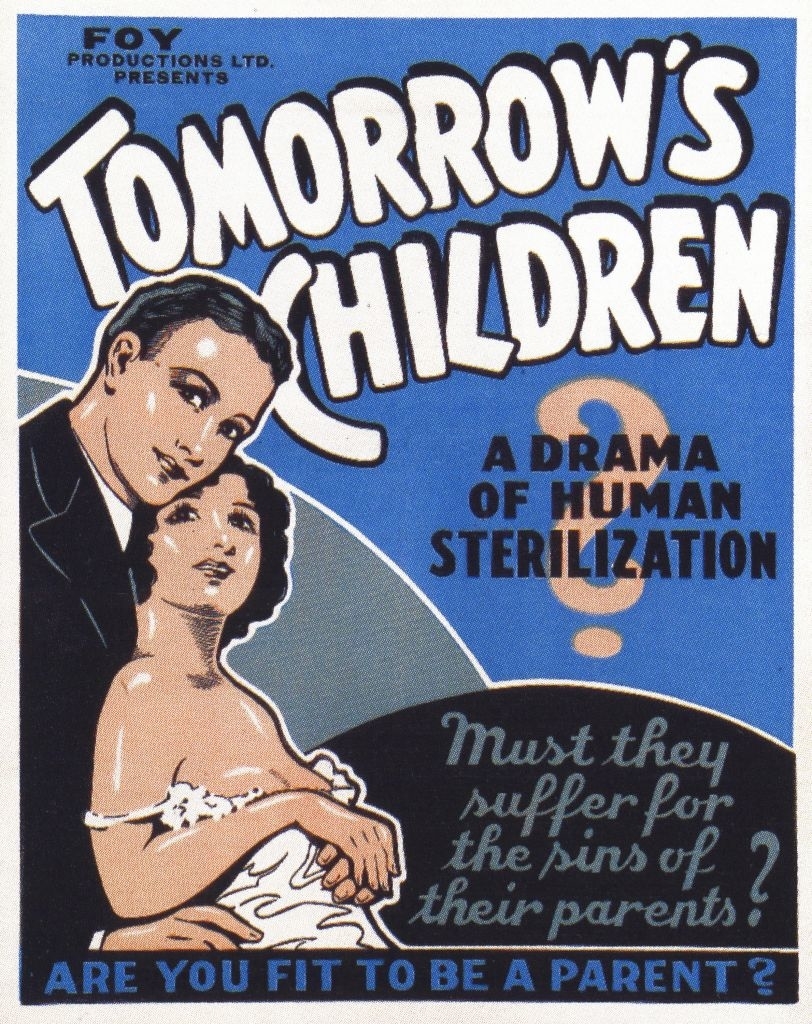
17.An oft-forgotten part of US History involves eugenics and sterilizing people.

Patients did not always know what was being done to them or give consent, and others were coerced.
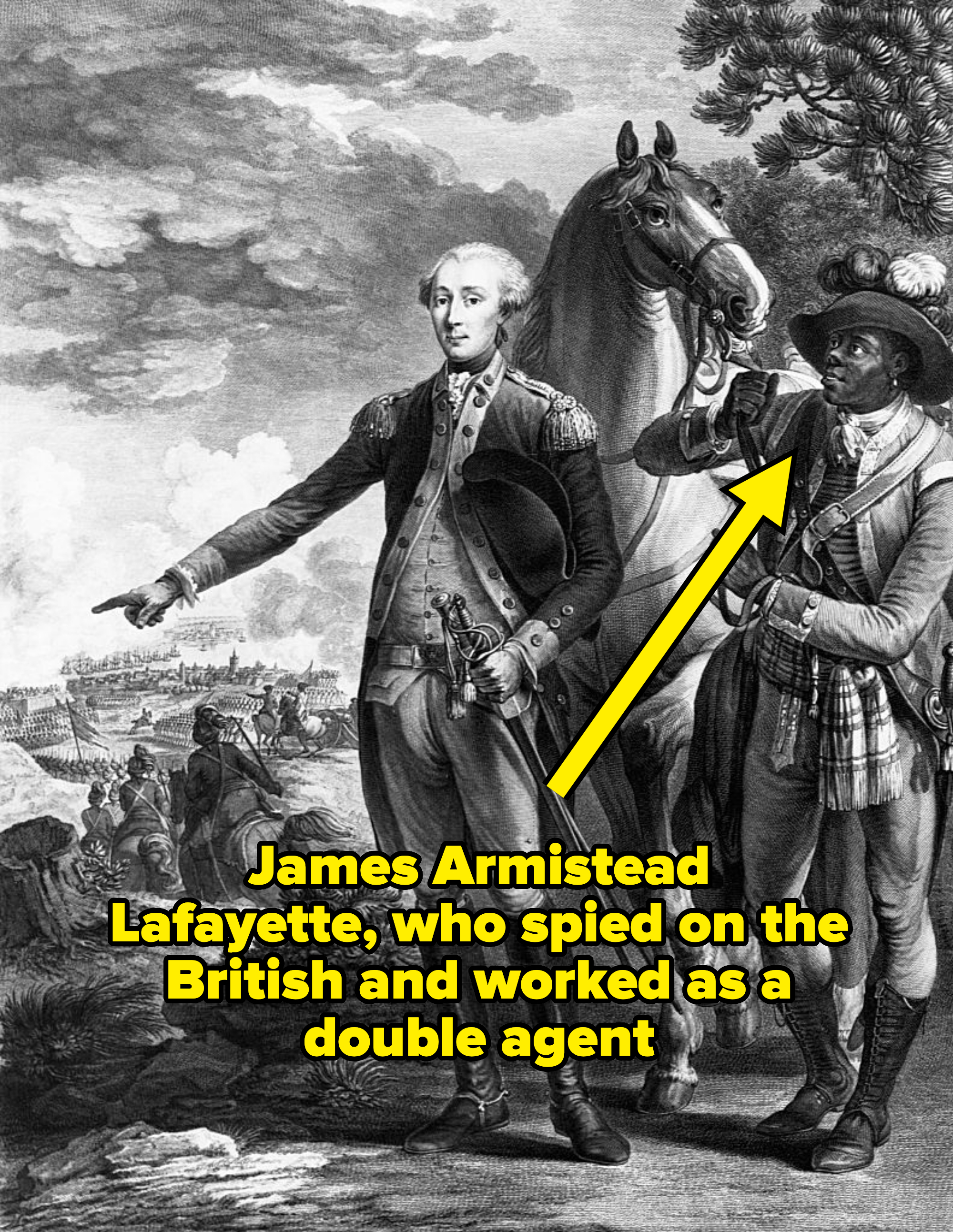
Illustration showing Marquis de Lafayette pointing forward with his sword, accompanied by an African American soldier holding a horse. Historic battle scene in the background

This didn’t just happen back in the day, either.

Between 2006-2010, almost 150 women in California prisons were sterilized.

18.This wasn’t some fringe movement, either.
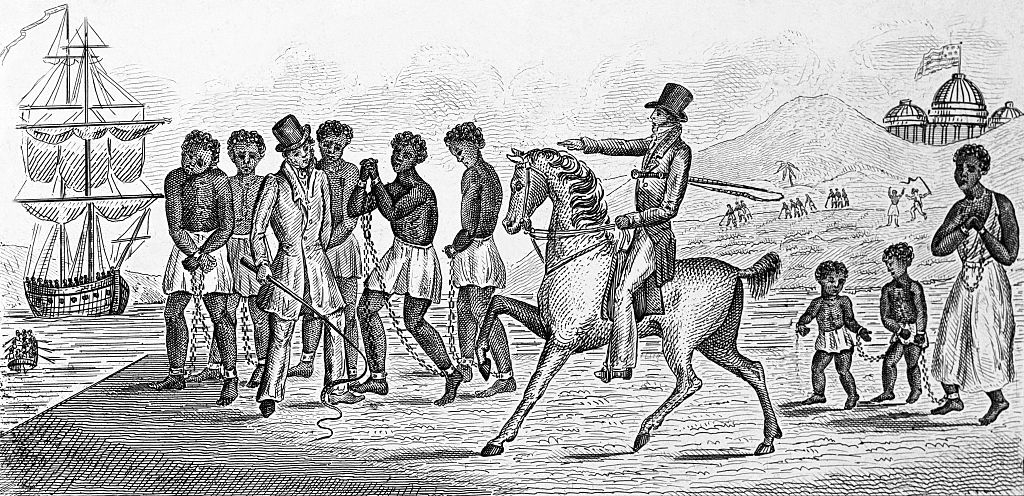
A historical illustration depicts enslaved individuals bound in chains on land next to a ship, with an overseer on horseback holding a whip

Fake social media accounts were used to sow doubt and spread misinformation about China’s COVID-19 vaccine.
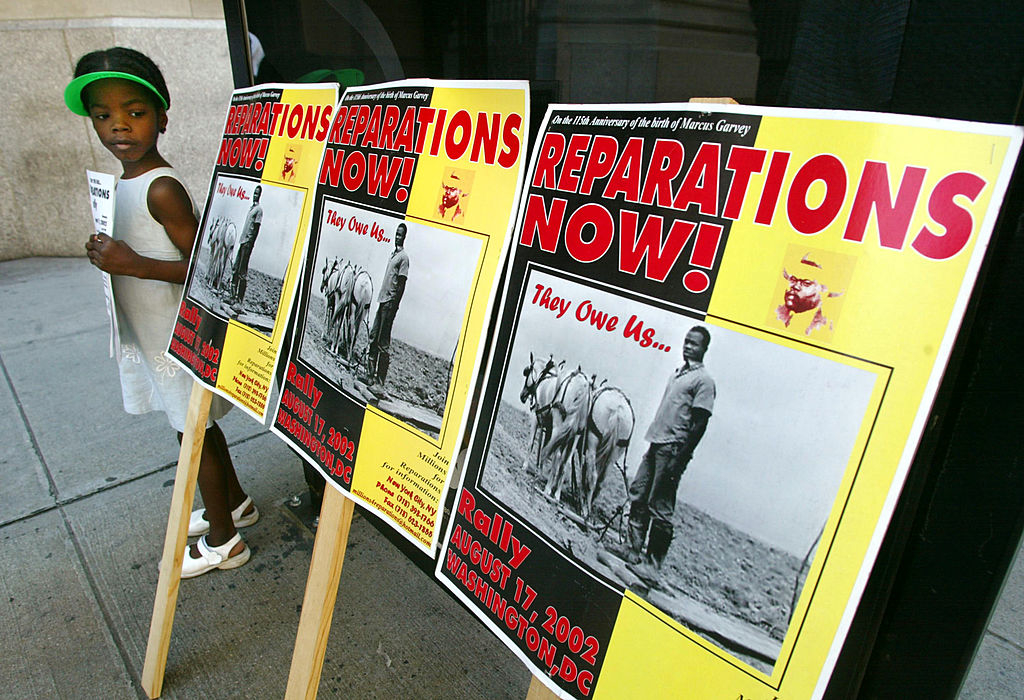
A young girl stands next to signs that read "Reparations Now! They Owe Us… Rally August 17, 2002, Washington D.C."

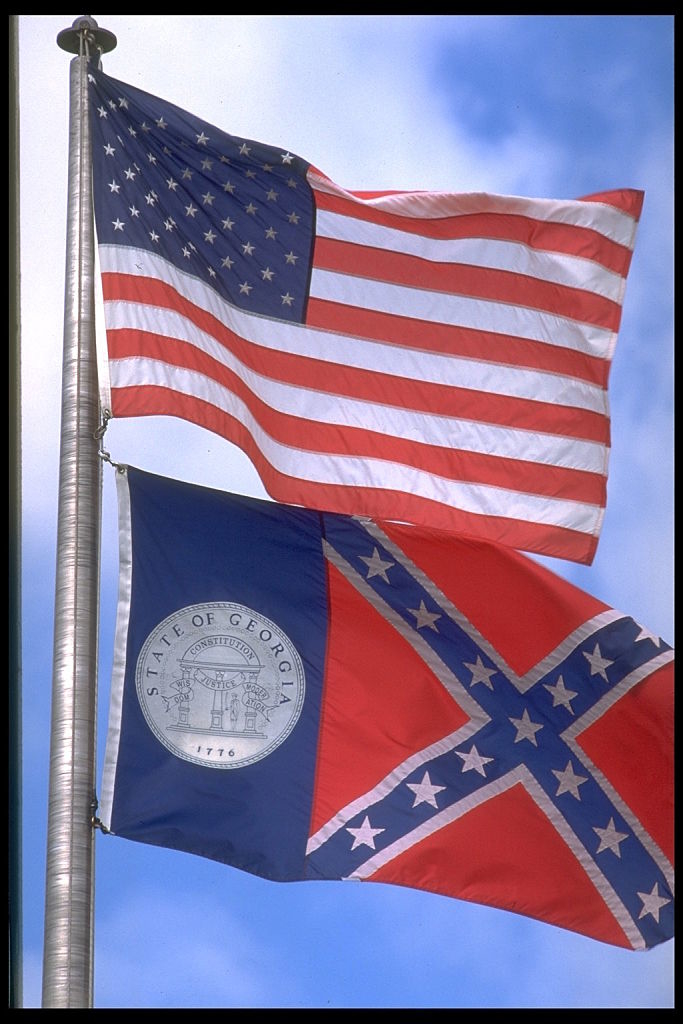
An American flag and an older version of the Georgia state flag with the Confederate battle emblem are flying on a flagpole against a clear sky

Large crowd of people, many of whom are smiling and waving, stand on the deck of a ship as it docks, suggesting a significant and historic event

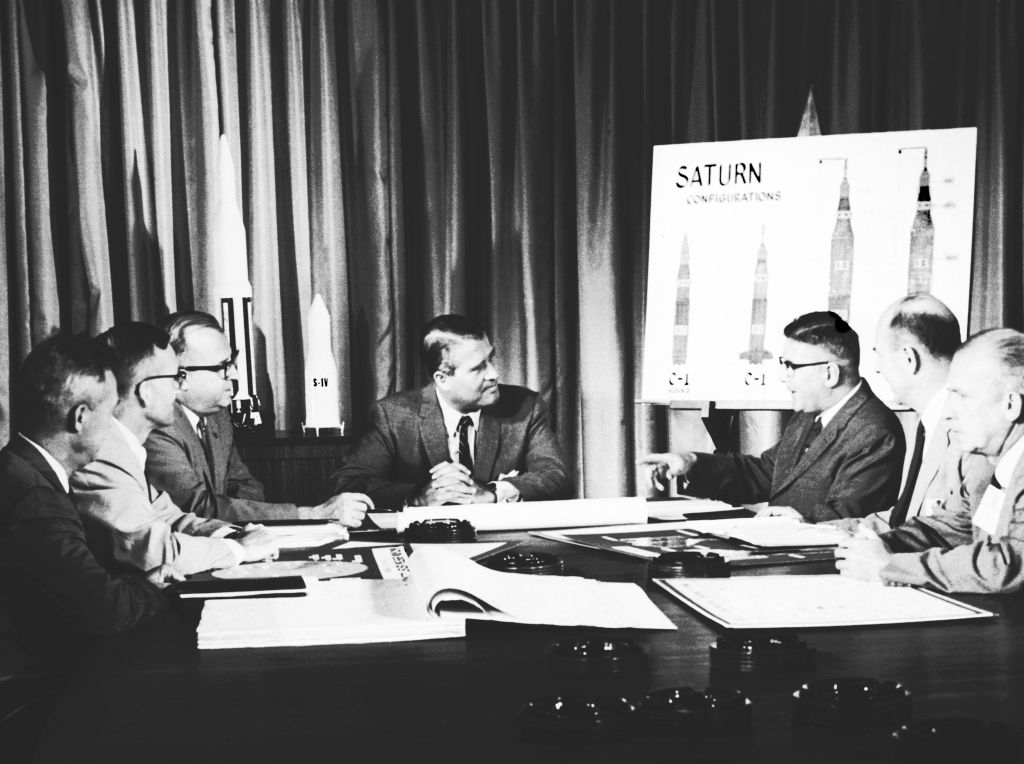
Group of men, including Wernher von Braun, sit around a table discussing a chart of Saturn rocket comparisons displayed on an easel

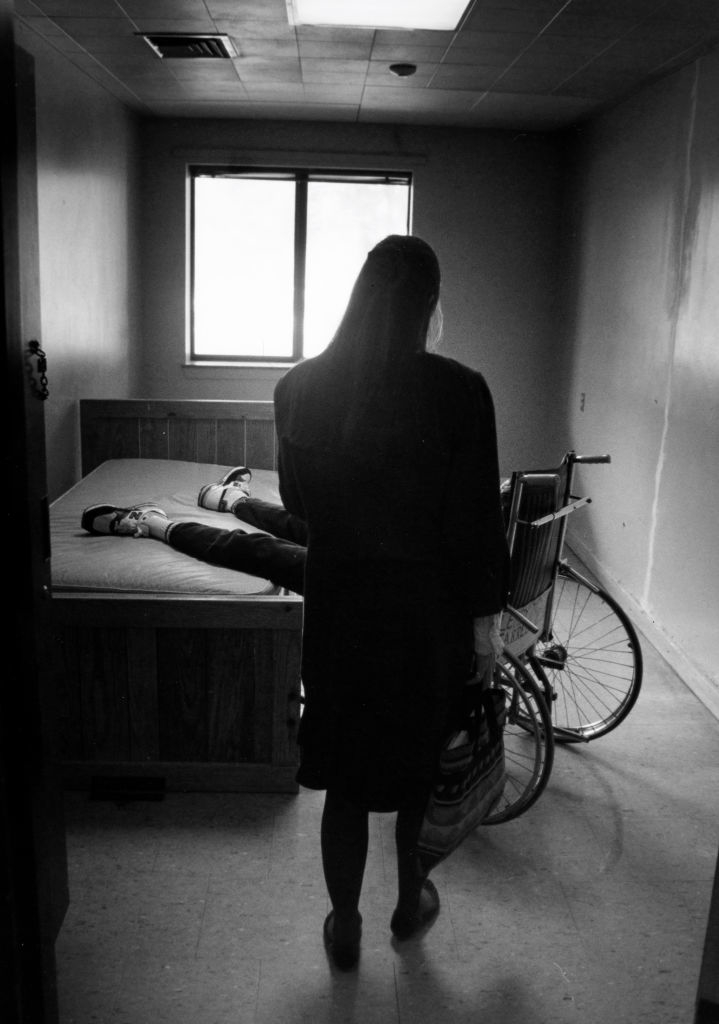
A woman stands in a small room, looking at a person lying on a bed with their legs extended and a wheelchair beside the bed

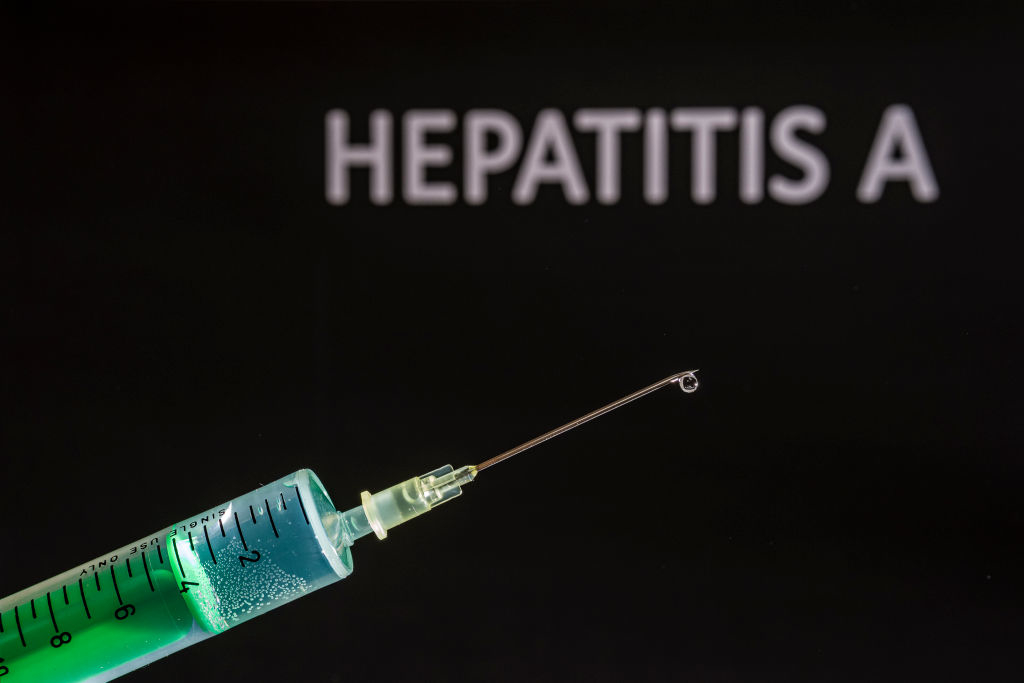
A syringe with a drop at the tip is shown in front of the word "Hepatitis A" on a black background

Historic photo of three vintage cars driving past a tall stone wall near the entrance of a castle-like building

Dr. Albert Kligman, a pioneer in dermatology, defends his work. The article discusses his invention of Retin-A for acne and its later use for wrinkle reduction

Inmates in green uniforms work at sewing stations, crafting red clothing pieces in a large, organized workshop. The image showcases a prison labor program

People in white clothing are working in a field, carrying large bundles on their heads. A lone person on horseback is seen in the background

Poster for "Tomorrow's Children: A Drama of Human Sterilization." It asks, "Must they suffer for the sins of their parents?" and "Are you fit to be a parent?"

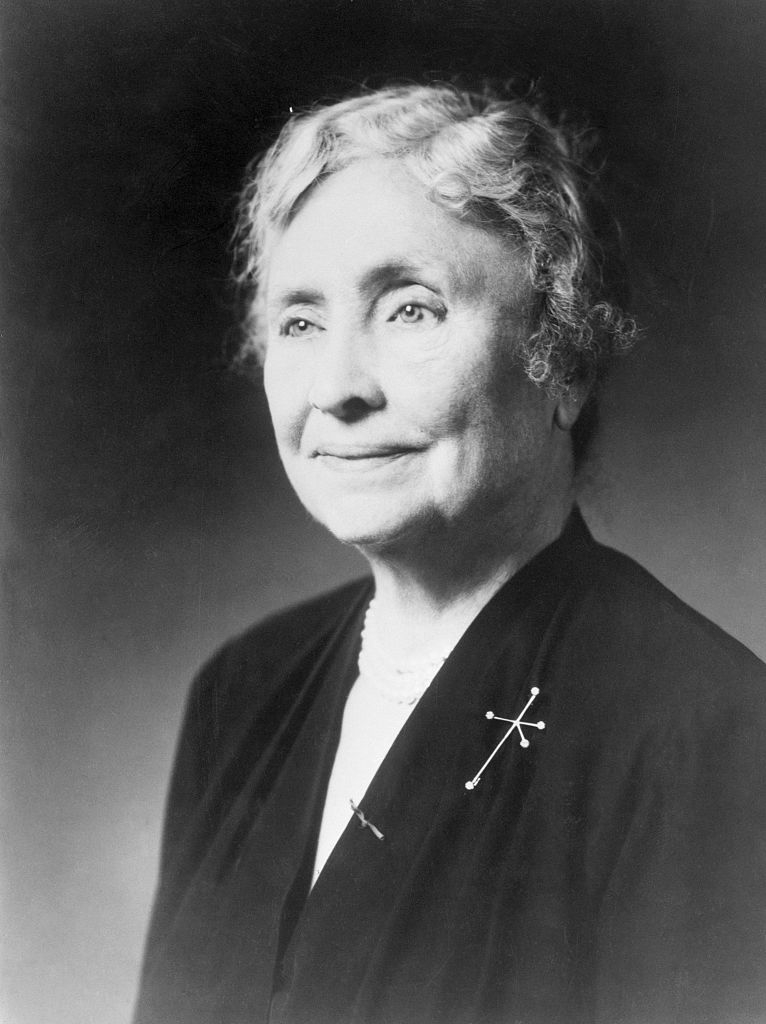
Helen Keller, in a formal portrait wearing a dark dress adorned with simple jewelry, smiles gently

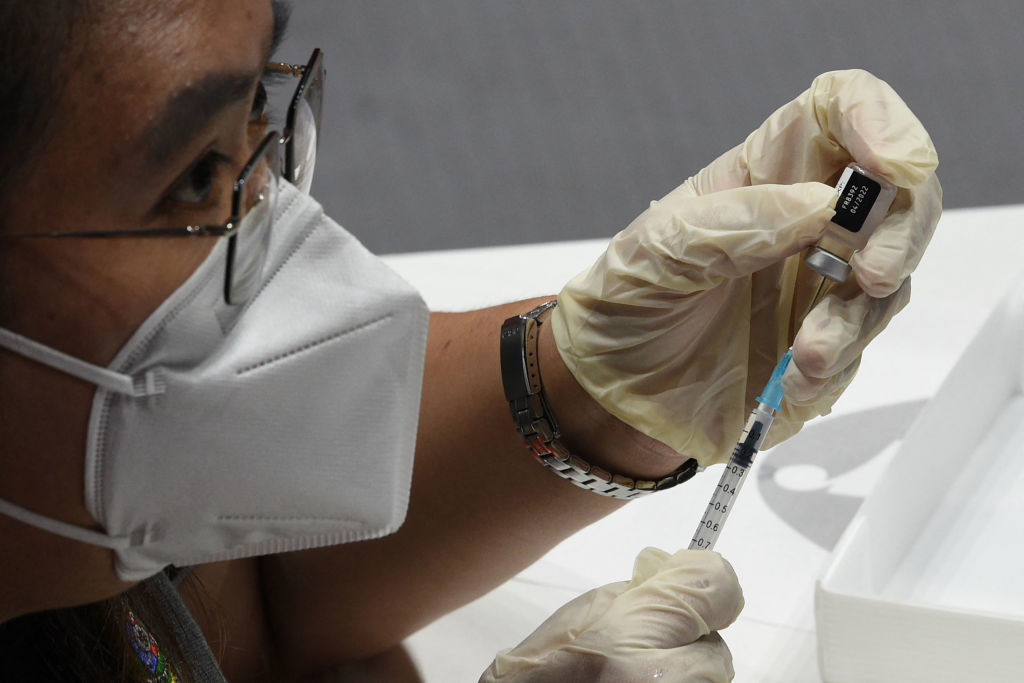
A person wearing glasses and a mask is preparing a syringe with a vaccine from a vial