Warning: Discussion of domestic violence and abuse.
Spoilers forIt Ends with Usahead.
That being said, I certainly didn’t expect to like it.
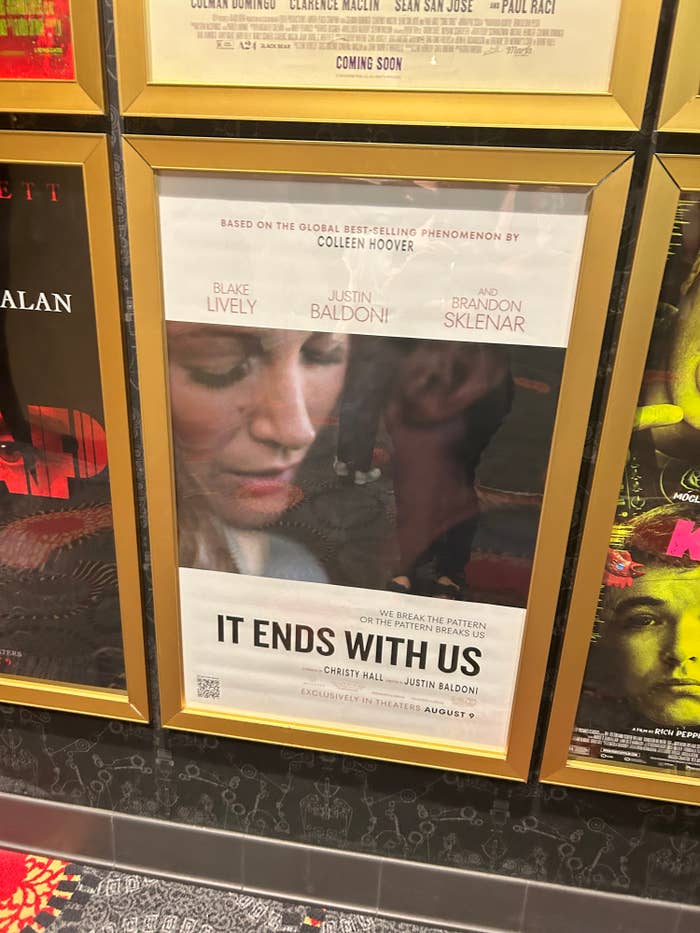
Im no movie critic, but I had reason to be cautious.
Of course, Id heard of (but not read) the Colleen Hoover book of the same name.
I knew the plots broad strokes and that some have accused it ofglorifyingabuse.
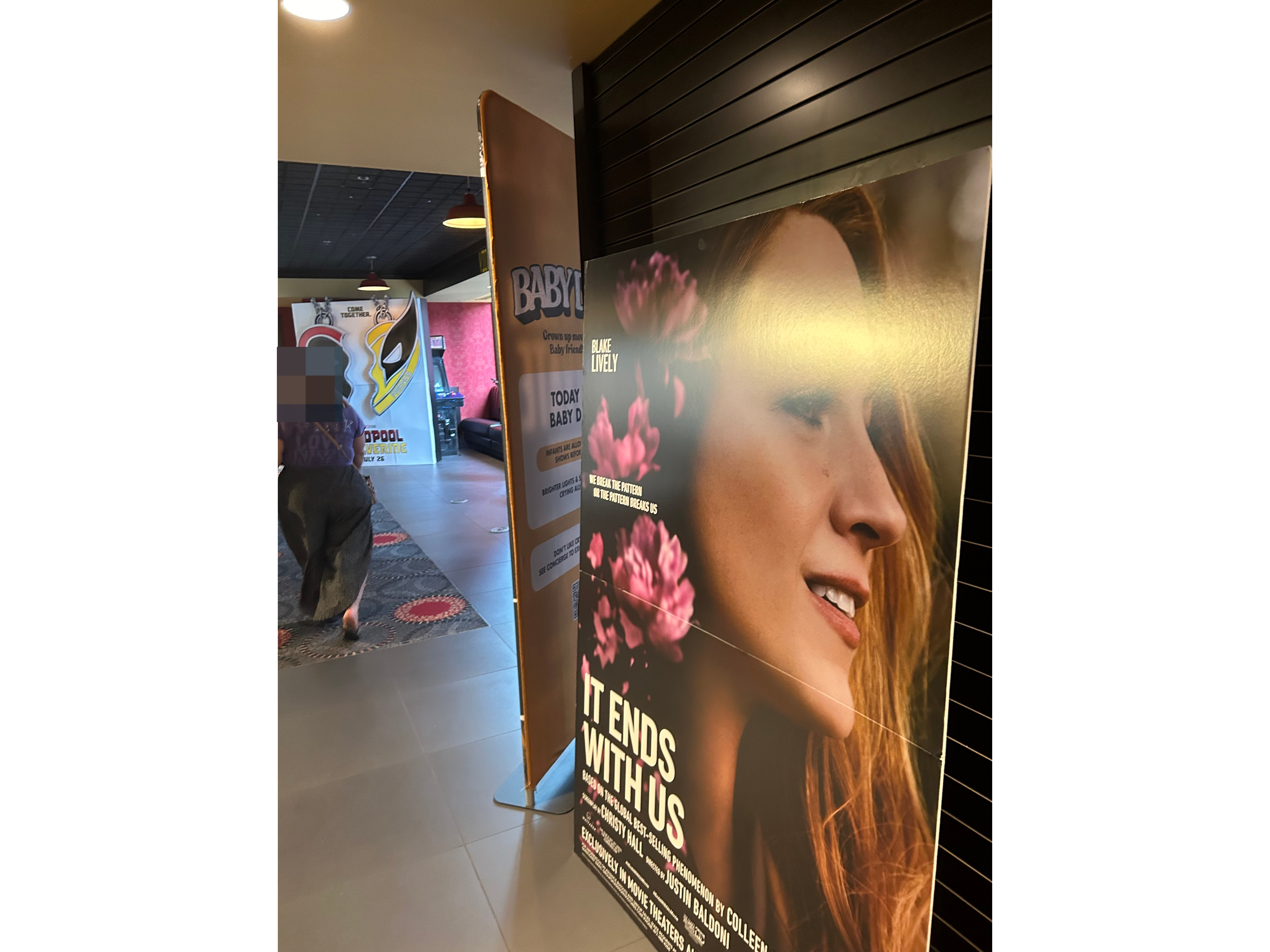
The promotional material for the movie immediately raised alarm bells.
Had I not known that the novel was about abuse, I doubt I would have understood it beforehand.
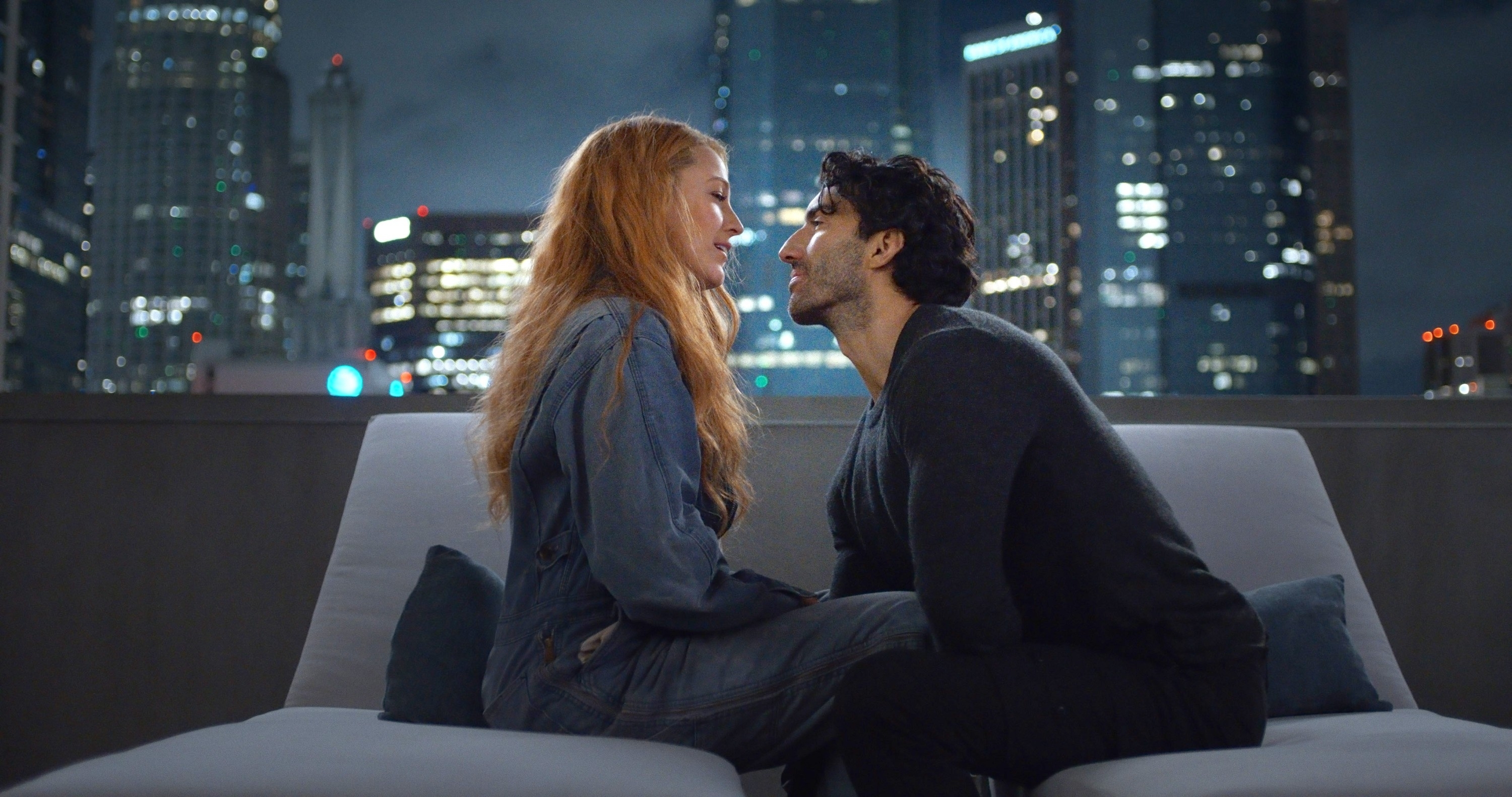
The depiction of the beginning of Lily and Ryles relationship felt incredibly moving to me.
She wants to be friends, but she suggests a kiss after much drinking and pestering.
She tells him to stop multiple times before they are together.
To me, its a surface-level interpretation of whats happening here.
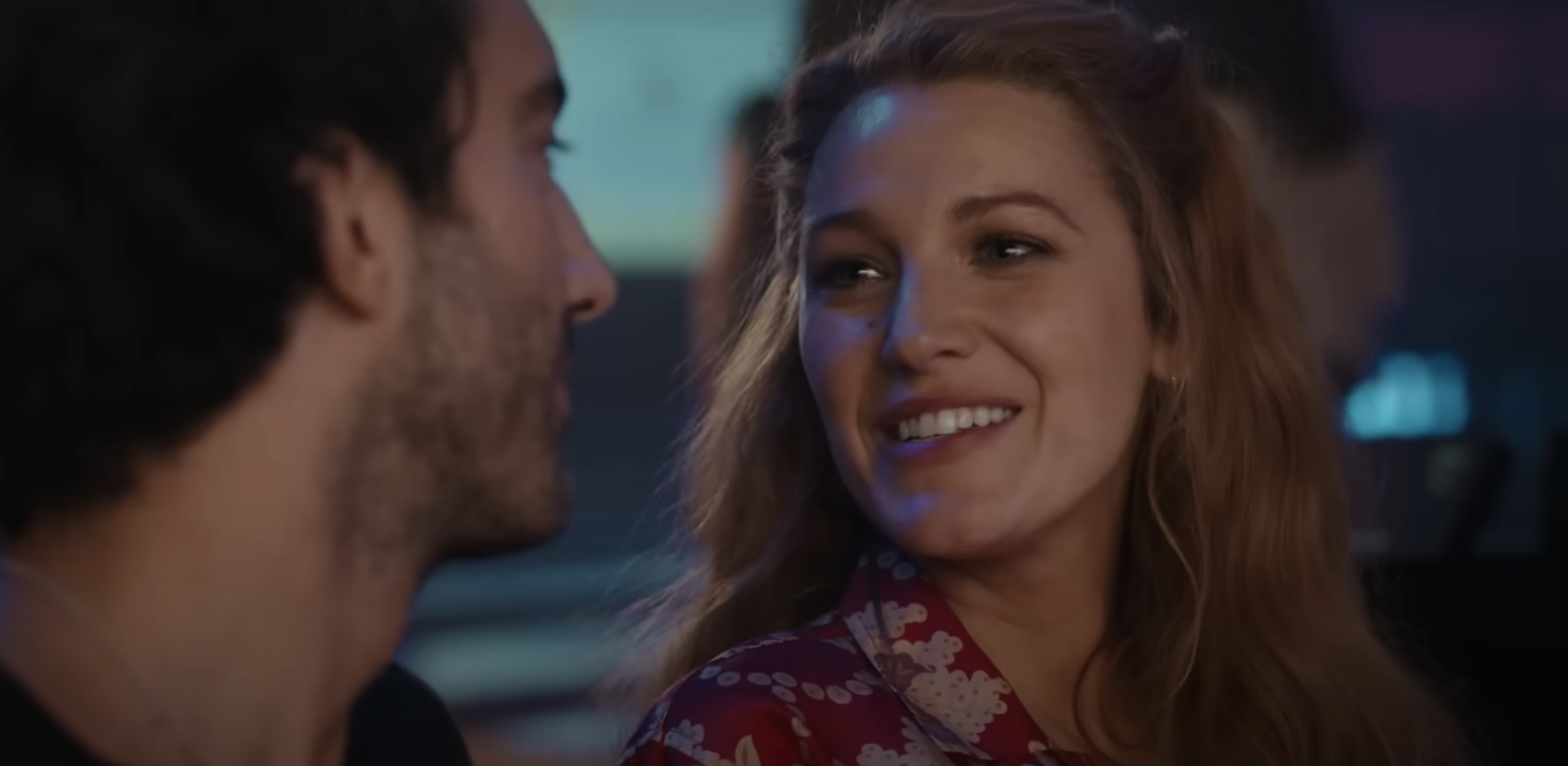
Another cut of this movie could easily play this for horror.
The uncomfortable reality of domestic abuse is that therearemoments of love and happy memories.
Flashbacks are often used to contrast Lily and Ryles relationship with her parents marriage.
Did she fear working in her flower shop?
What are her lasting mental and emotional traumas?
Would the Ryle we know really just agree to walk away?
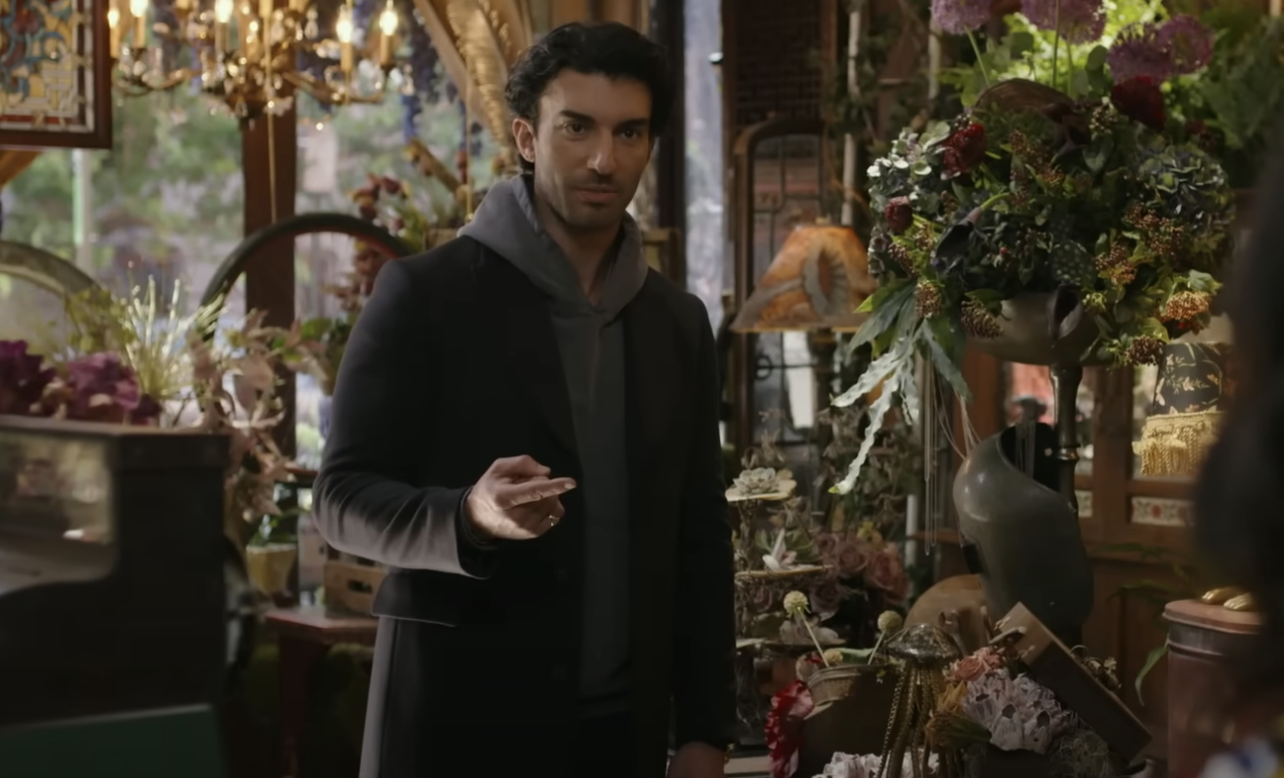
The way their lives are entangled is messy, and we move past her pregnancy at lightning speed.
By the end of the movie, he’s presumed gone.
In many ways, I wish that the movie ended with the it ends with us scene.
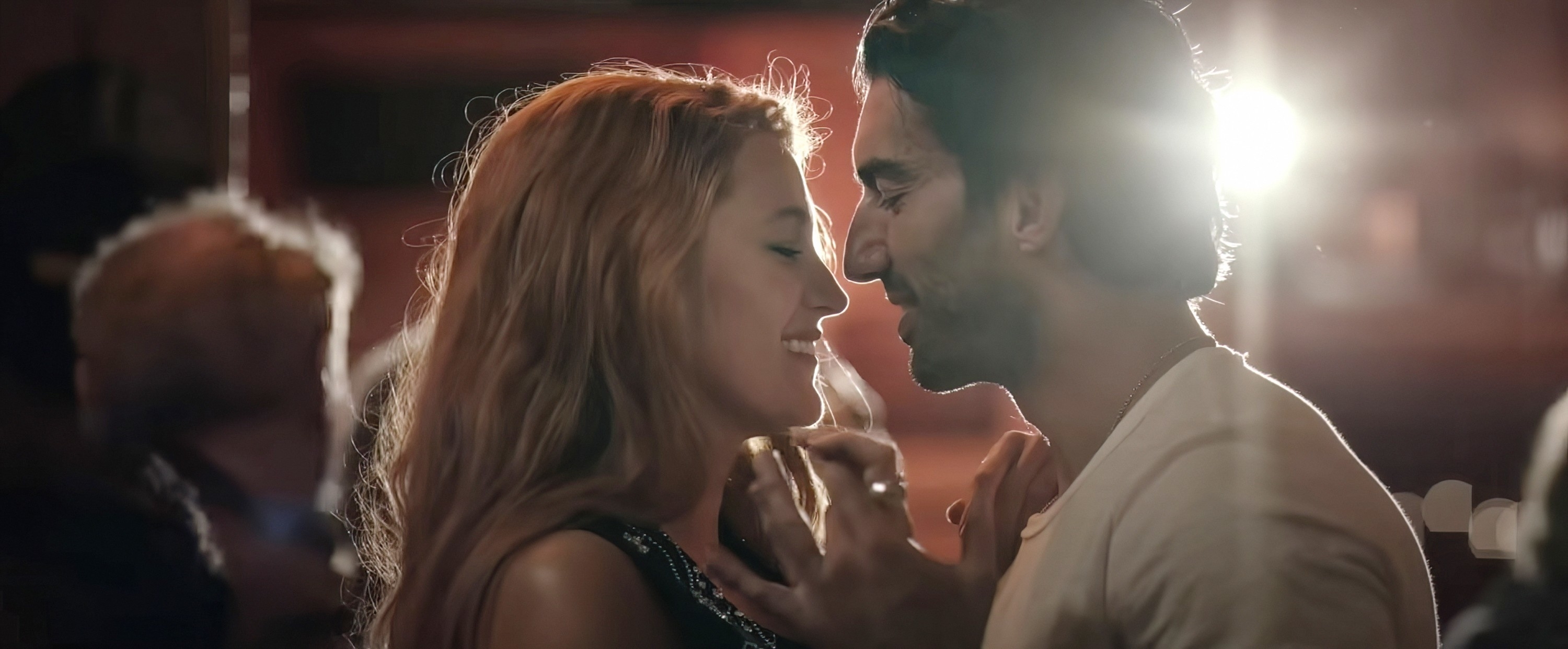
Instead, we get Atlas.
Lets talk about Atlas, because I am concerned about him.
(Also, where does he go for the apparent years after that?)
Without further character development, it feels mighty red flag-ish.
But there is something real there, something the marketing missed.
If you or someone you know is in immediate danger as a result of domestic violence, call 911.