Being able to create something that has an impact in a zeitgeist, pop culture kind of way."
Note:This interview has been edited for length and clarity.
Can you speak about the intentionality of that?

“It’s the first time in my life where I thought, ‘This is what a legacy is.’ Being able to create something that has an impact in a zeitgeist, pop culture kind of way."
Art expands how people view queer people and how they can be used in film and TV.
So that was the thought process behind my character.
I felt like I would not be a star of a movie unless I wrote it.
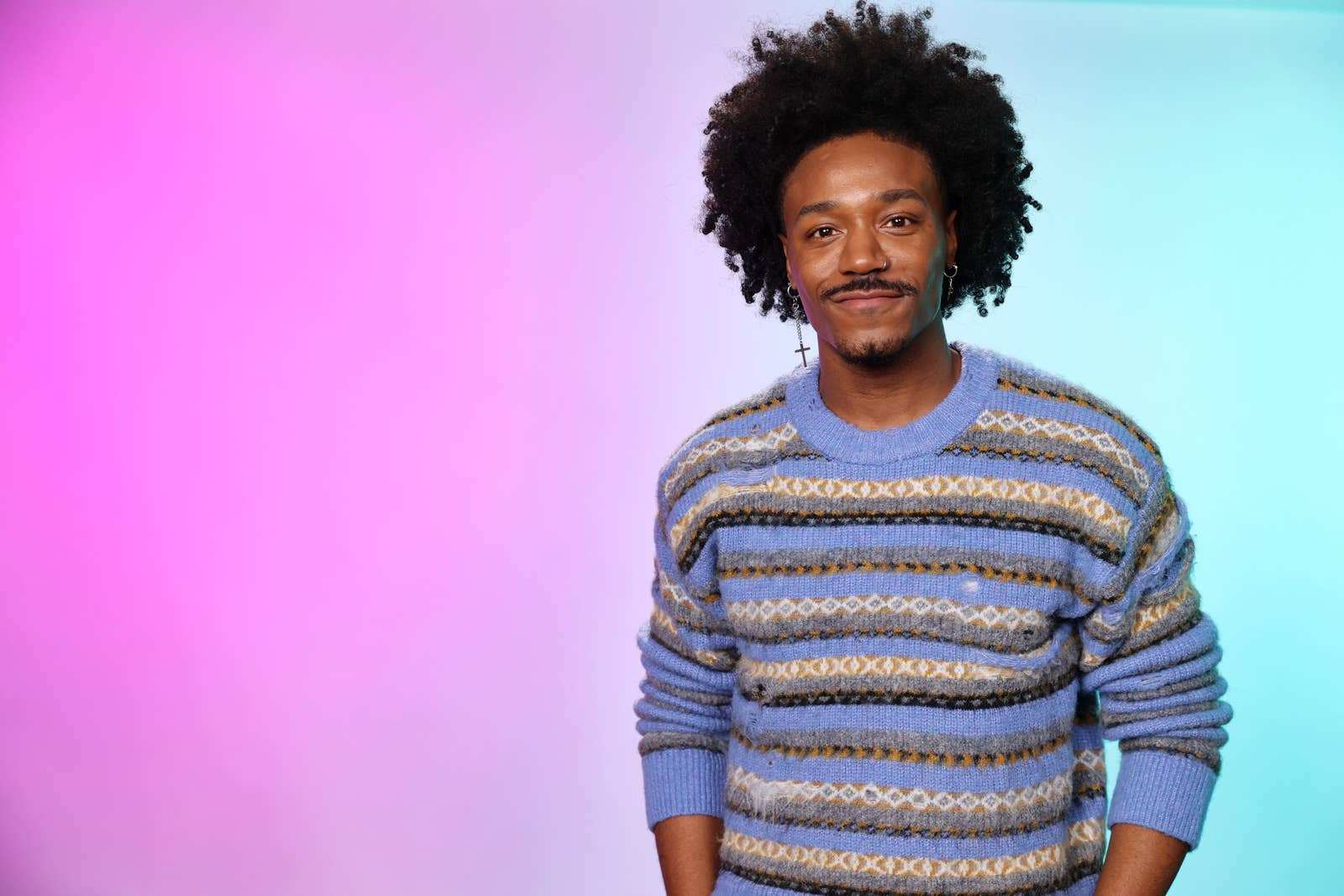
And so that was also why the character was named Dewayne.
I was just trying to live in the moment.
The fact that it has been received in the way that it has …
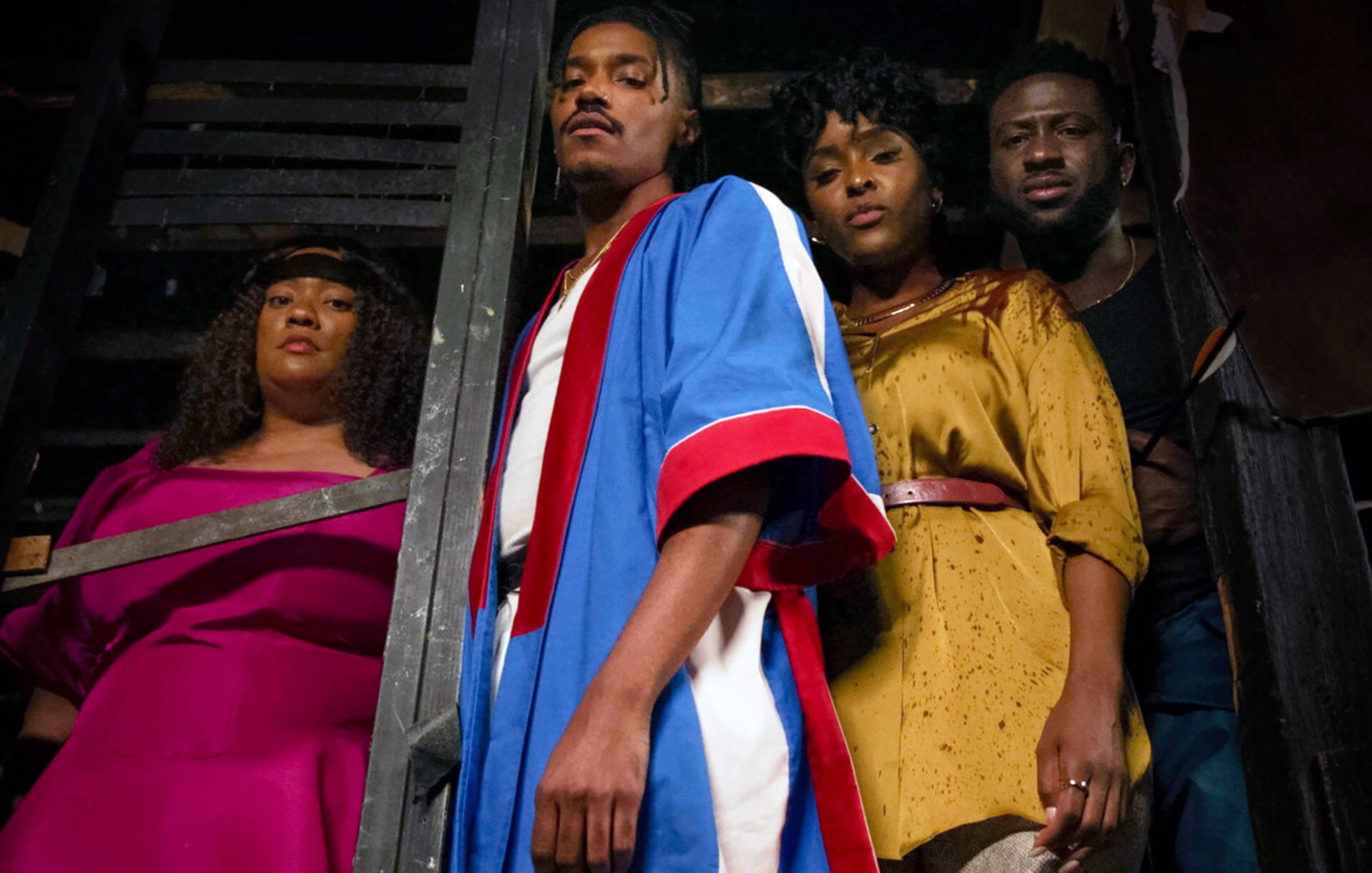
Being able to create something that has an impact in a zeitgeist, pop culture kind of way.
I got a DM from Colman Domingo.
I met him for the first time in person a couple of days ago.
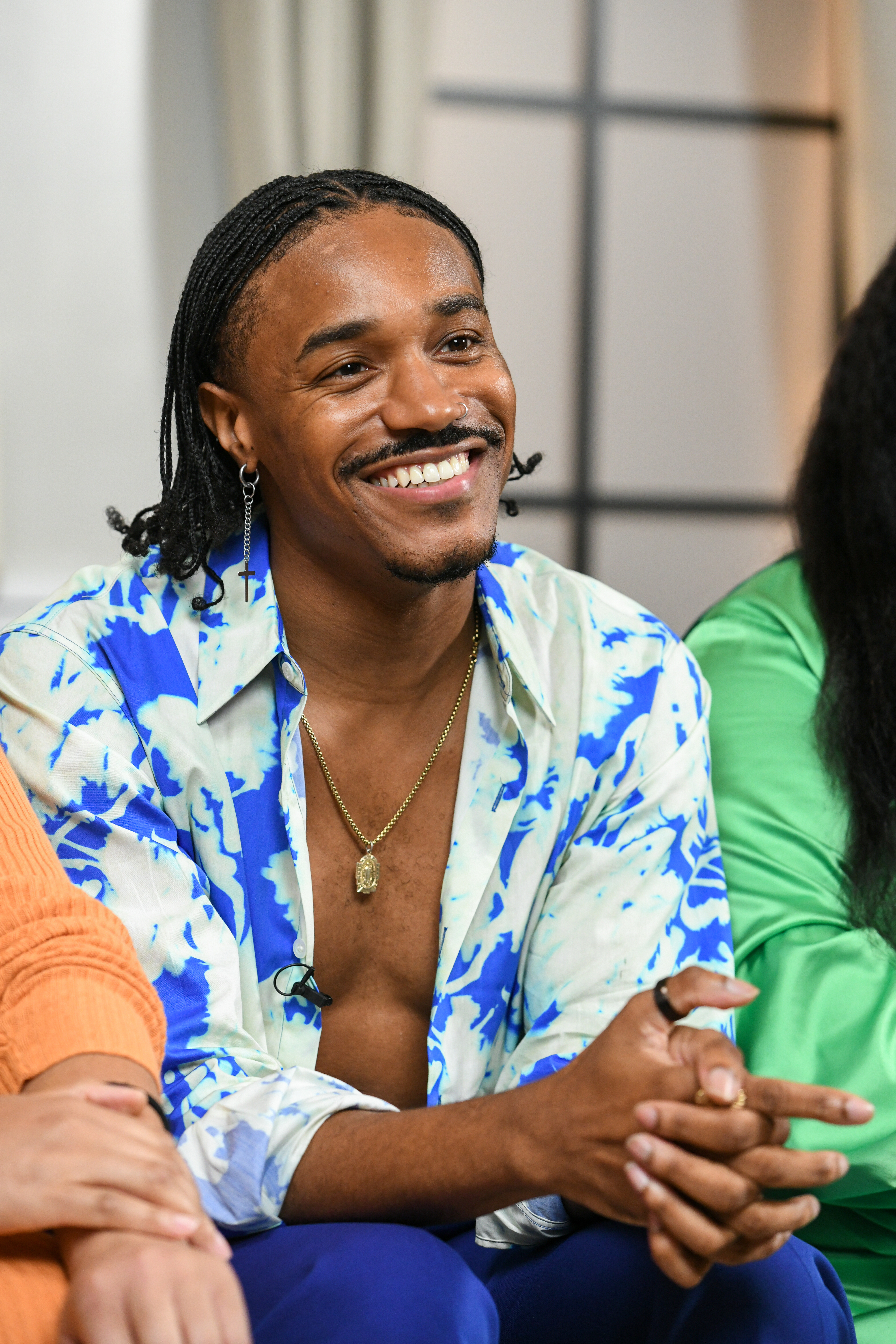
It was just a very beautiful moment because he’s an artist that I look up to.
I think he’s so talented.
I think he has helped with representation.

When I was younger and then coming into this business I felt isolated.
I had an agenda.
I wanted to see more queer Black stuff.
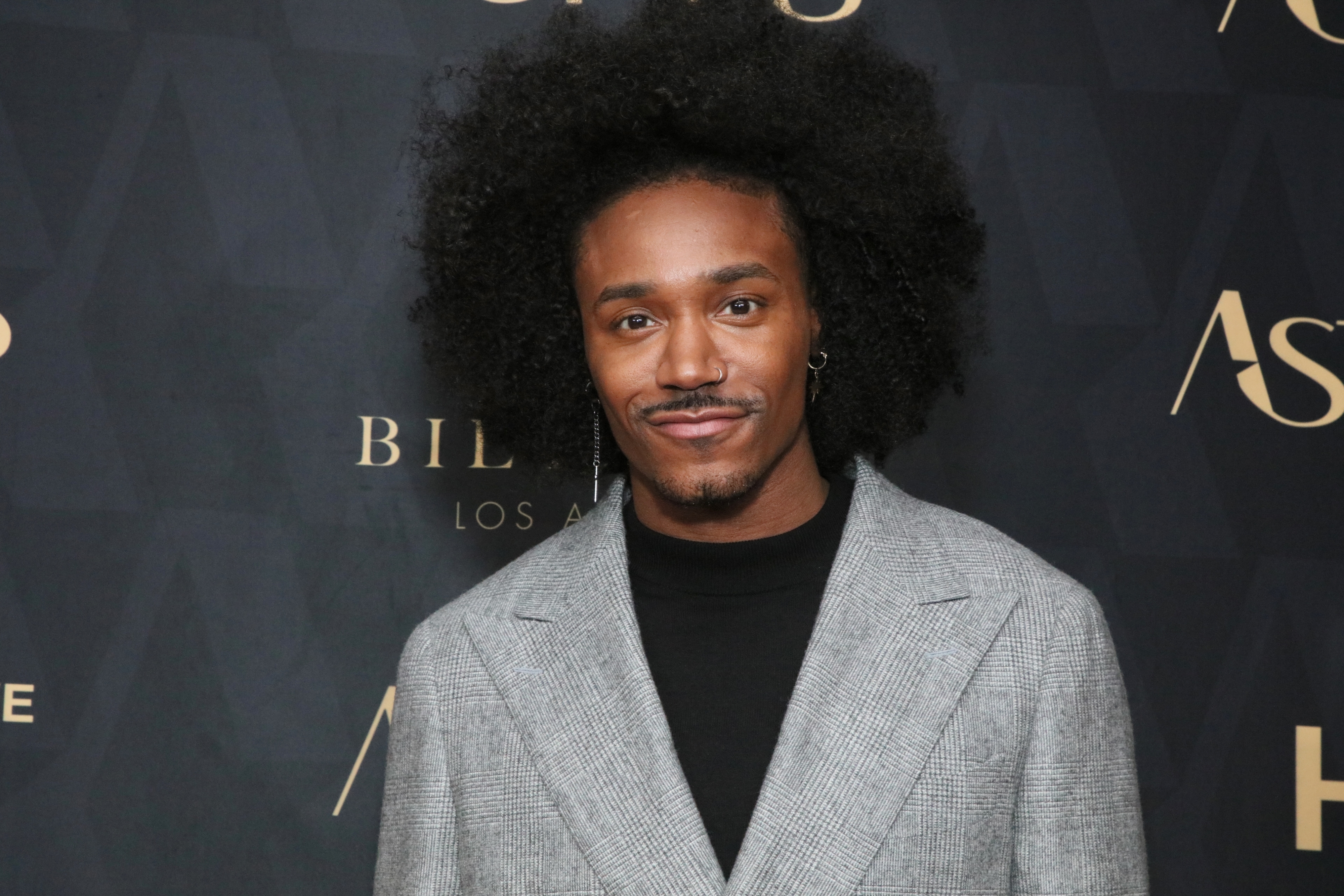
It felt like some of that was on my shoulders.
As a comedian, when was the first time you realized that you were funny?
When I was writing for a show calledThe Break with Michelle Wolfon Netflix.

I remember that was my first job and I was the only Black person on this staff.
There was a joke that I wrote that basically called Sarah Huckabee Sanders the archetype of white women.
It was chosen as one of the best jokes that year bythe New Yorker.
At that moment, I realized no one else on this staff could have written that joke.
My point of view is why I’m funny.
My existence and my lived experience are what makes me great.
When did you know acting was your calling?
I was very tiny in elementary school and kind of feminine.
I had a stutter.
I was bullied heavily.
Going into high school, I thought, “I’ve watched enough TV, I’m pretty smart.
I can figure this out.”
In my freshman year, I was a football player.
Eventually, I realized that was not fun so I quit and I joined my school’s dance team.
At that point, I thought, “Oh, too gay!
Everyone’s gonna know.”
In my junior year, I found improv.
I thought, “Okay, cool.
I could play a bunch of different people.”
My improv teacher was also the director of musicals so I started doing musical theater.
I thought, “I like doing this.”
She convinced me to go to an acting conservatory for college.
By senior year, I thought, “I enjoy what I’m doing.
This feels closer to me.
I’d rather go down this road than any road I’ve done so far.”
It felt the closest to happiness.
As a Black queer person, it can be challenging to center joy at times.
How do you prioritize joy in your daily life?
Wow, what a great question.
I create my best work when I’m happy and inspired.
It is a priority.
I recently started taking archery classes and taking adult gymnastics.
Your family was very supportive when you came out as queer.
How has that support shaped or influenced the work you create?
Even though I came out and my family was like, “Yeah, sure.”
I was thinking, “Why is this such a deep fear?”
It was because I’d never seen it.
I didn’t see gay people in media, it was just such an absence that created such isolation.
I remember having to sneak and watchThe Real World.
Karamo [Brown] was the first Black gay man I saw on TV.
I was just so starved for anything.
I had a strong connection to what representation did for me.
And so I thought, “Well, that’s my job.”
If you could go back and tell your younger self one thing, what would it be?
“You exist in a way that changes the world, good or bad.
You have the power to do good.
That is where you will find your power and that is where confidence comes from.”
Fashion feels like a fantasy to me.
When a studio pays for you to look that way, it opens up the possibilities.
Growing out my hair created a bigger canvas.
I liked the look that I wore to the premiere ofThe Blackening.
It was a caramel leather suit.
I wore bantu knots [in my hair].
My inspiration that day was Naomi Niobe fromTheMatrix.
I was trying to give Jada Pinkett-Smith’s [character].
I have a focus.
I think creation is my weapon.
What is your hope for the next generation of Black and queer people?
I hope that they have the freedom to move past the generic.
I think that there is such a simplistic look at queerness and Blackness.
For example, focusing on coming out stories.
Yes, that is important.
There’s also a lot of other material.
What comes after that?
I don’t think people realize how much energy fighting takes.
That energy takes away from the art you are trying to create.
Who is your Black queer icon?
I went to her concert and saw the spirit of love.
I went to Essence Fest where she performed “Lipstick Lover.”
I love that Janelle’s identity is being forced to be seen.
Yeah, she loves women.
Just being able to exist with that freedom, I think, is so essential for people to see.
Lastly, what does Black History Month mean to you?
That’s how I exist every February.
[I advise Black people to] do whatever you want, and everybody should just appease Black people.
That’s really what I think Black History Month should be.
That’s the agenda I’m going to keep pushing.
[Laughs]
Thanks for chatting with us, Dewayne!
Be sure to keep up with Dewayne Perkinshere.
it’s possible for you to read moreBlack, Out & Proudinterviewshere.
