On Sunday, Jan. 20, 2019, I collapsed in the shower.
I only remember bits and pieces of what happened next.
Then I blacked out again.
I vaguely remember hearing him call an ambulance.
My girlfriend has been bleeding since Thursday, and shes collapsed in the shower.
I cant keep her conscious.

A short ambulance ride later, I was in the emergency room.
It took four nurses to finally find a vein strong enough to get an IV in.
A blood test showed my hemoglobin at 5 grams per deciliter (g/dl).
Women in their 30s should have a hemoglobin level of 12 to 13 g/dl.
Less than 9, you need medical attention.
Less than 8, you need a blood transfusion.
They started the transfusion almost immediately.
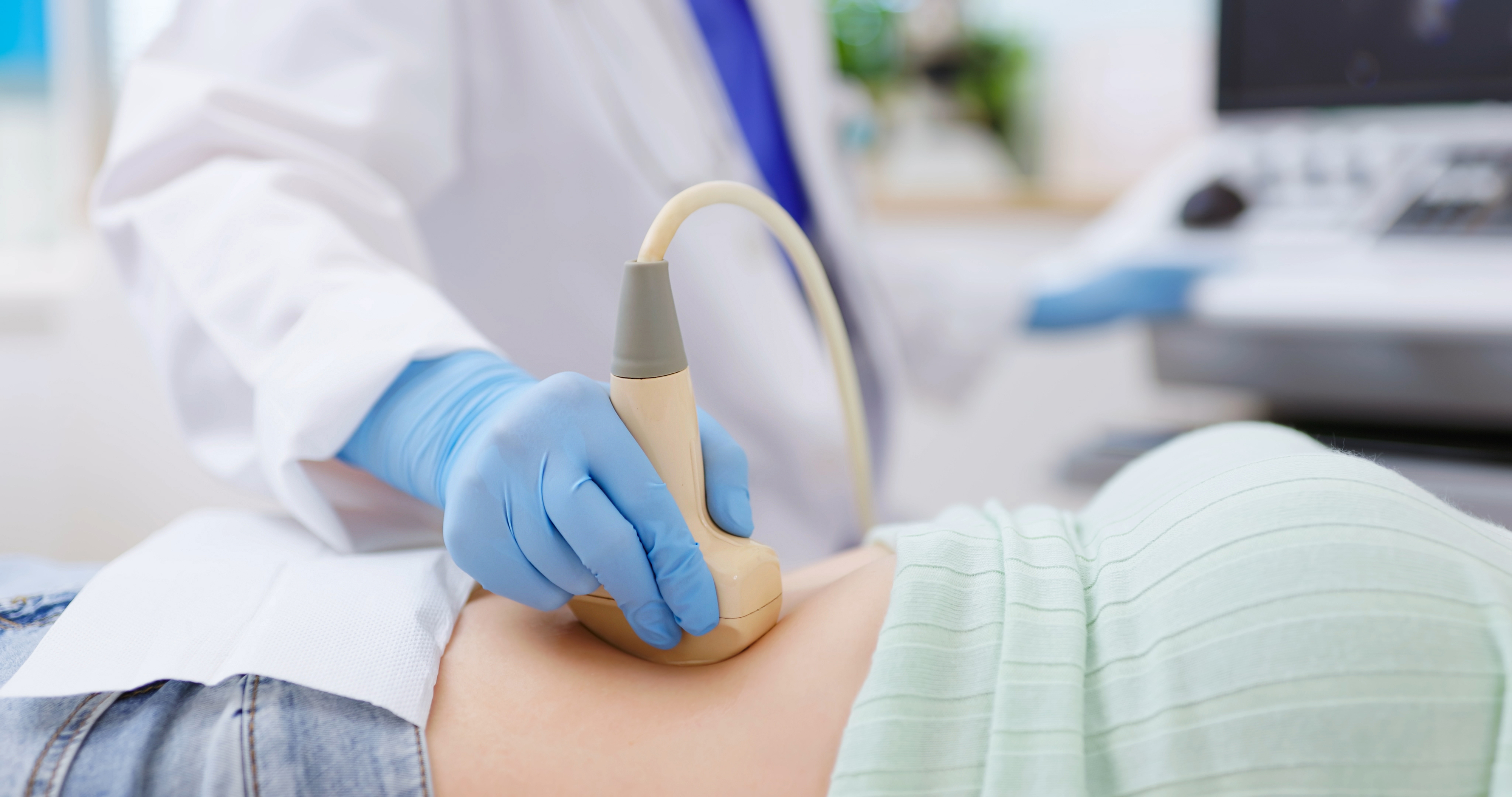
Meanwhile, a transvaginal ultrasound uncovered two sizable fibroids on my uterus.
They were inflamed and bleeding.
I almost bled to death and thought it was my period.
Finally it was my turn to ask a question.How do I fix this?
Multiple options were explained to me.
I was told about various surgeries in which they could ablate or even remove the fibroids.
However, there was a 50/50 chance they would grow back.
So the treatment started.
Pills on pills on pills.
I stopped traveling unless it was absolutely necessary.
I was afraid to be home alone.
What if I had more hemorrhagic bleeding and no one was there to help me in time?
The ER became a second home.
After telling them all of this, I asked if they would refer me for a hysterectomy.
Like I had with other doctors before, I was met with immediate pushback.
I was told they wouldnt consider me as a surgery candidate without walking me through my other options first.
Options Id already been briefed on.
Options Id already tried that didnt work.
A follow-up appointment was set for a month later.
I decided to see a different doctor.
I dont know what spurred me on to fight for myself that day.
Maybe it was the fear of dying.
Maybe it was the realization that because of my condition, Id already stopped living.
Thankfully, I didnt have to see any more doctors.
They finally referred me to a surgeon the same day.
I cried tears of joy driving home from that appointment.
In January 2023, four years after almost dying, I met with my surgeon for the first time.
The following June, I had a uterine hysterectomy my cervix, uterus and fallopian tubes were all removed.
My ovaries, miraculously, are healthy, so those got to stay.
When I woke up from surgery, the difference was obvious.
It never did, and I cant begin to describe how freeing that is.
Were told its all in our heads.
Discouraged from fighting for the care we need.
I share my story hoping others can read it and know that they shouldnt have to accept substandard care.
In the time since surgery, my focus has been on healing.
The physical healing happened fast.
But Im not only healing my physical body.
Im healing my mind, too, and thats a longer journey.
A change happens in your brain when you almost die.
It changes even more when you have to live with chronic pain and the constant threat of death.
Ive gone through a range of emotions since my surgery.
Relief that its finally over.
Excitement at being able to live again.
And anger over the suffering, the gaslighting, having to beg and bang down doors for lifesaving care.
Some days I even feel resentful toward myself for not fighting harder sooner.
These days I venture to be gentle with myself.
I focus on living in the positivity that its all behind me now.
This article originally appeared onHuffPost.
