Sharks can go through 25,00035,000 teeth in a lifetime.
Welcome to another Shark Week!
AKA the best TV of the year.

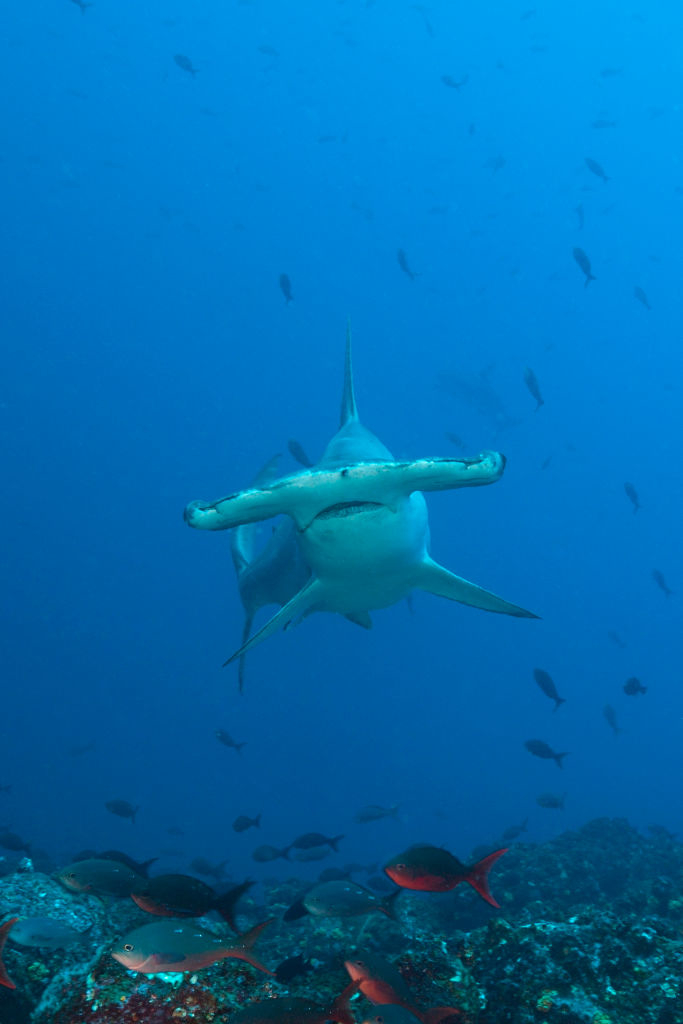
It’s the only shark with jaws that extend forward at the speed of 10 feet per second!
This can only be seen by the human eye in slow motion.
2.You’re15 timesmore likely to die by a falling coconut than by a shark attack.
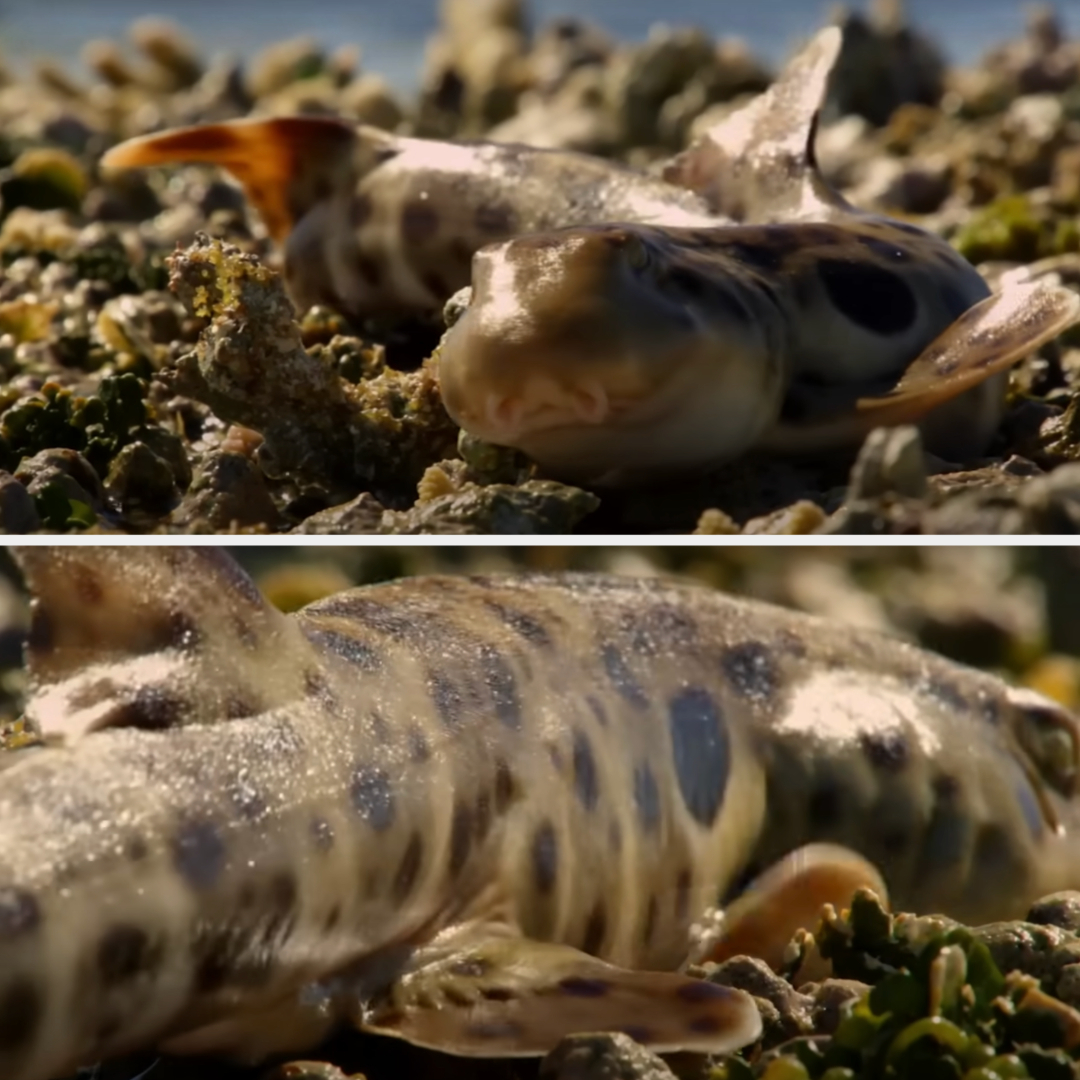
3.Epaulettes are the only sharks that can use their fins towalkon dry land.
4.Sharks have been around for up to450 millionyears.
That makes them 90 million years older than trees and 190 million years older than dinosaurs!
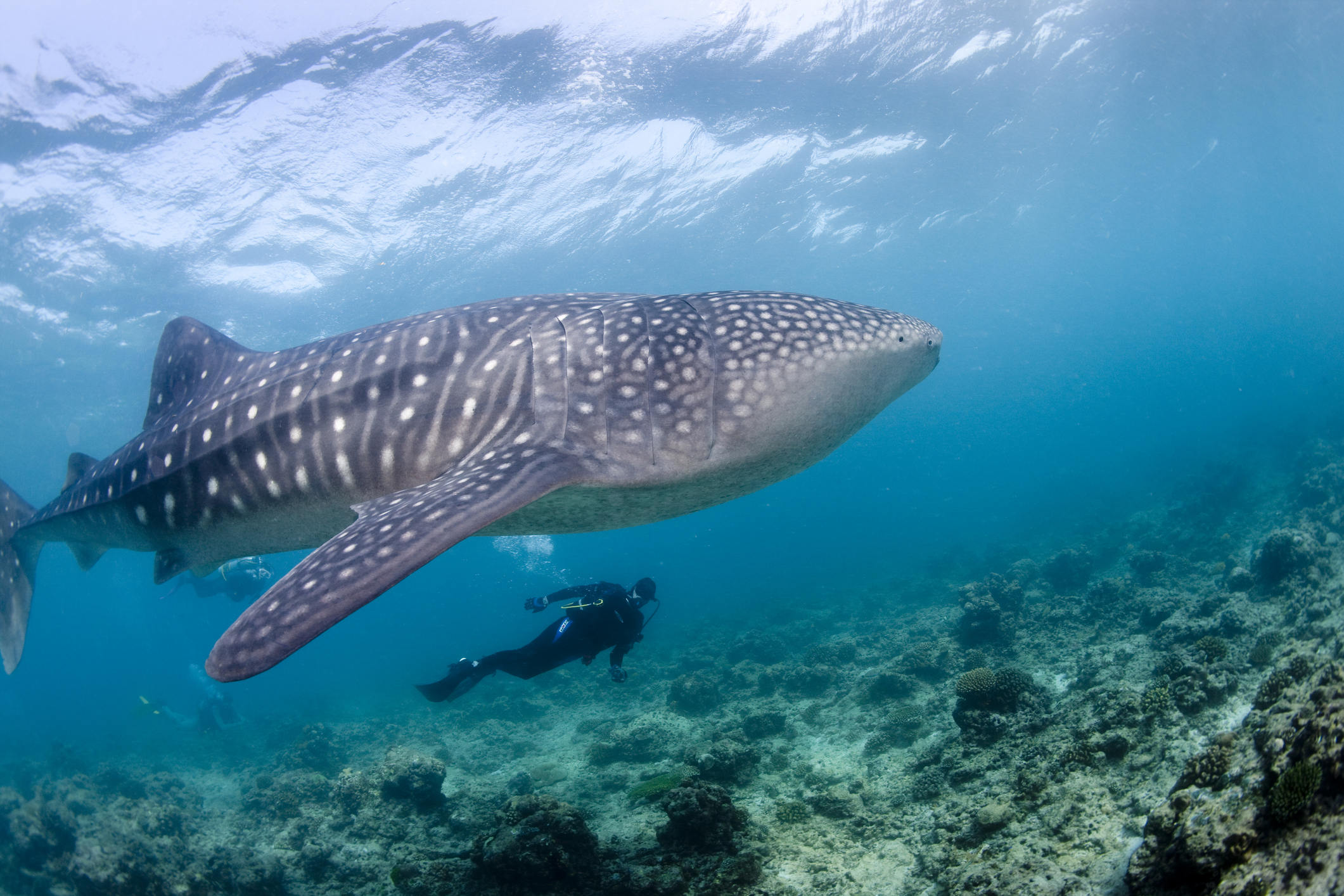
5.No one has ever captured photographic evidence of whale sharks giving birth.
In 1995, a female in Taiwan was discovered to be carrying over300pups (!!!).
6.Sharks can go through 25,00035,000teethin a lifetime.
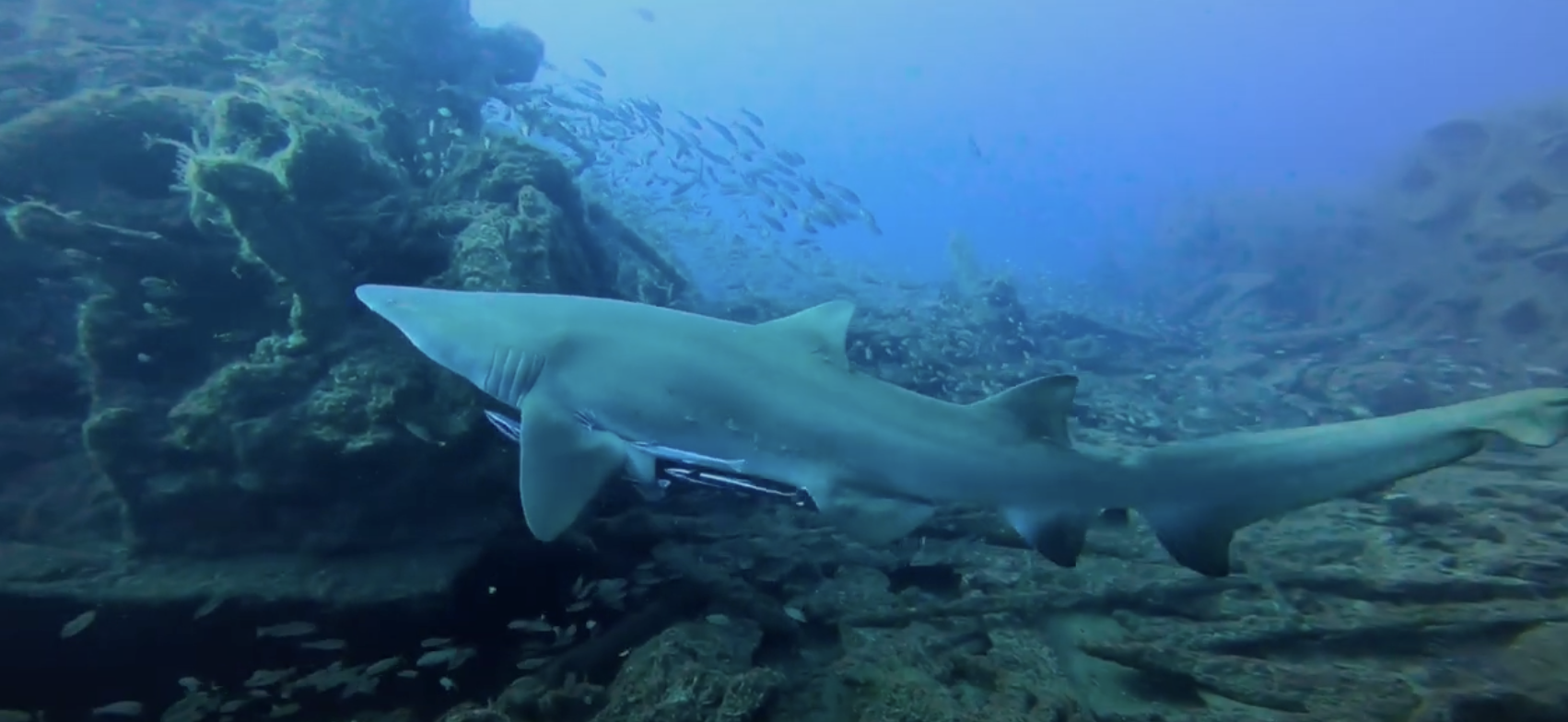
Since their survival depends on their teeth, they evolved to replace them quickly.
7.Female sand tiger sharks havetwouteri.
8.The shortfin mako is thefastestshark in the world.
Thanks to its torpedo-shaped body and strong tail, it can swim up to 43 mph.
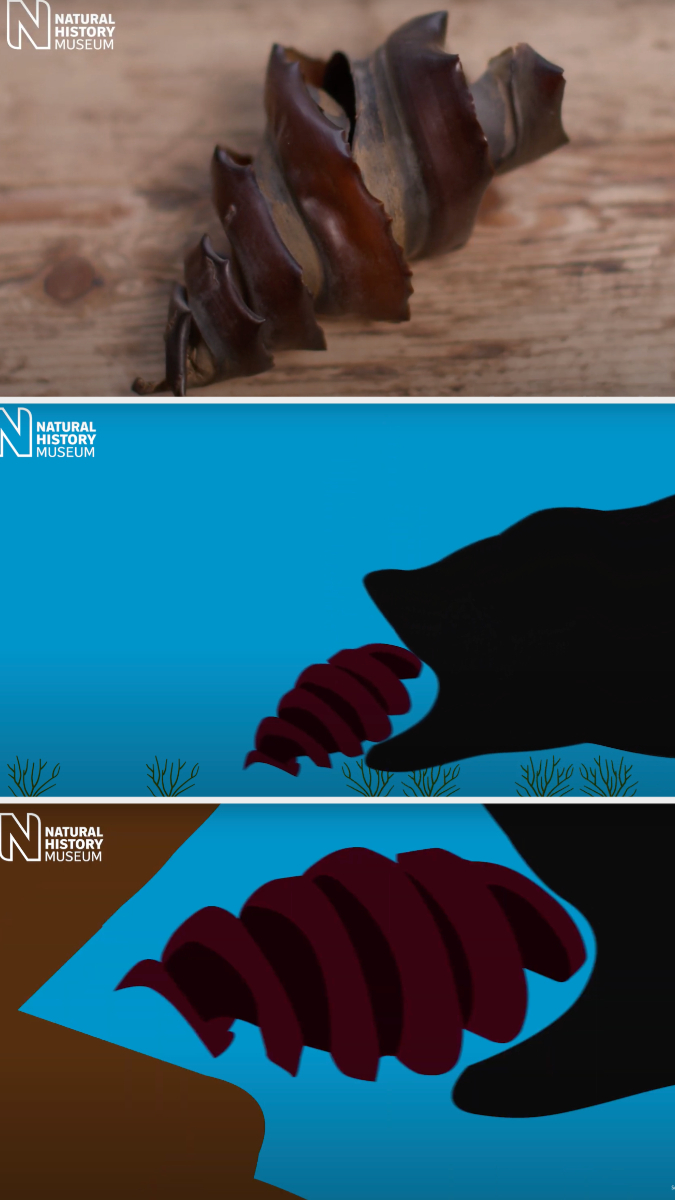
9.Some sharks, including Port Jacksons and horn sharks, are famous for theirspiral-shapedeggs.
11.Sharks have six senses.
12.The nurse shark creates a powerfulsuctionthat vacuums prey right into their mouths.
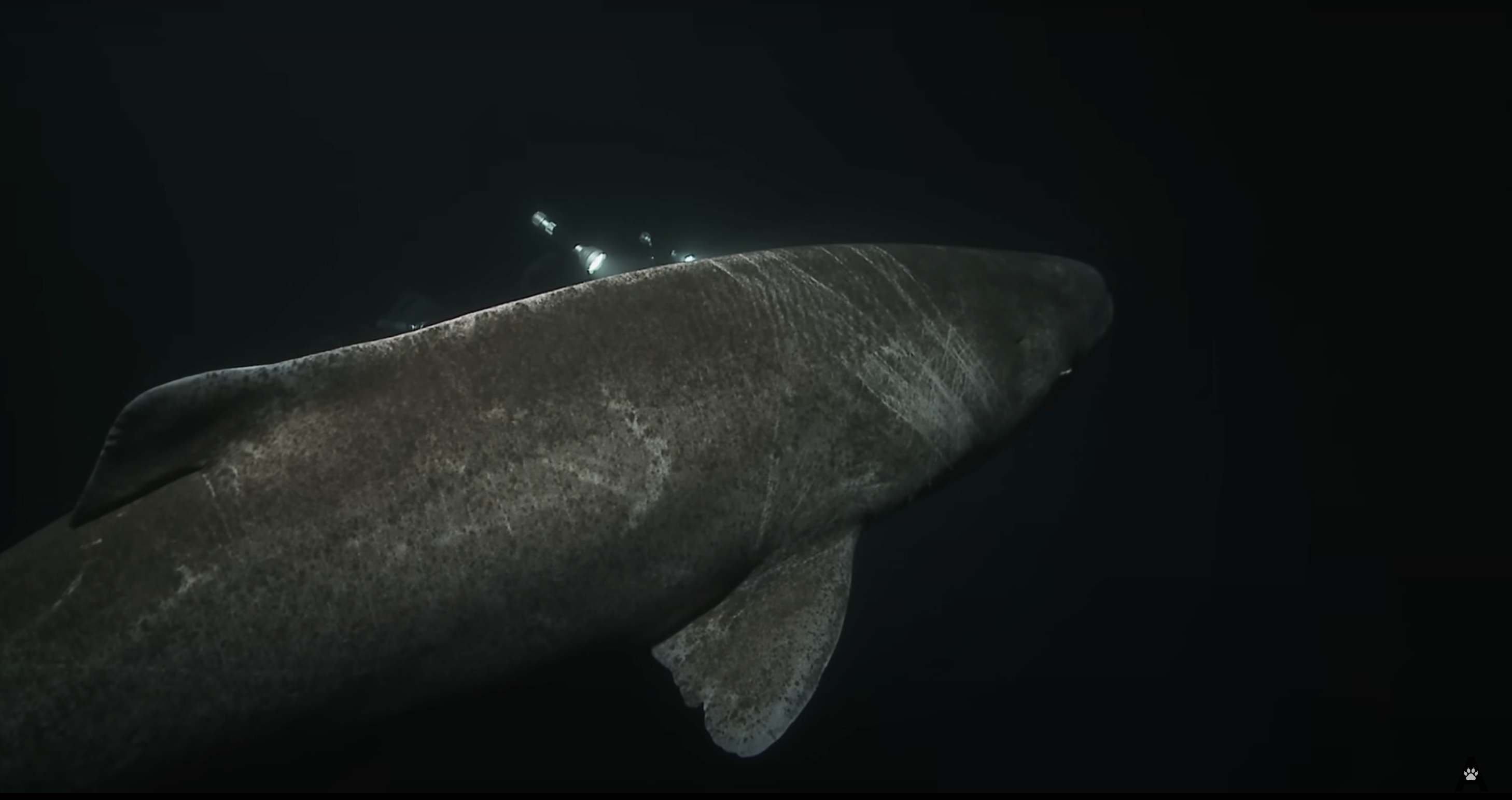
13.Greenland sharks are thelongest-livingvertebrates on Earth.
They don’t reach sexual maturity until they’re about 150 years old.
14.Research suggests that sharks arecolor-blind.
Despite living in the big blue, they only see in black and white.
15.Great white sharks are thelargestpredatory fish in the world.
16.Unlike most sharks, bull sharks cansurvivein freshwater for long periods of time.
They’ve even been seen in the Mississippi and Amazon Rivers.
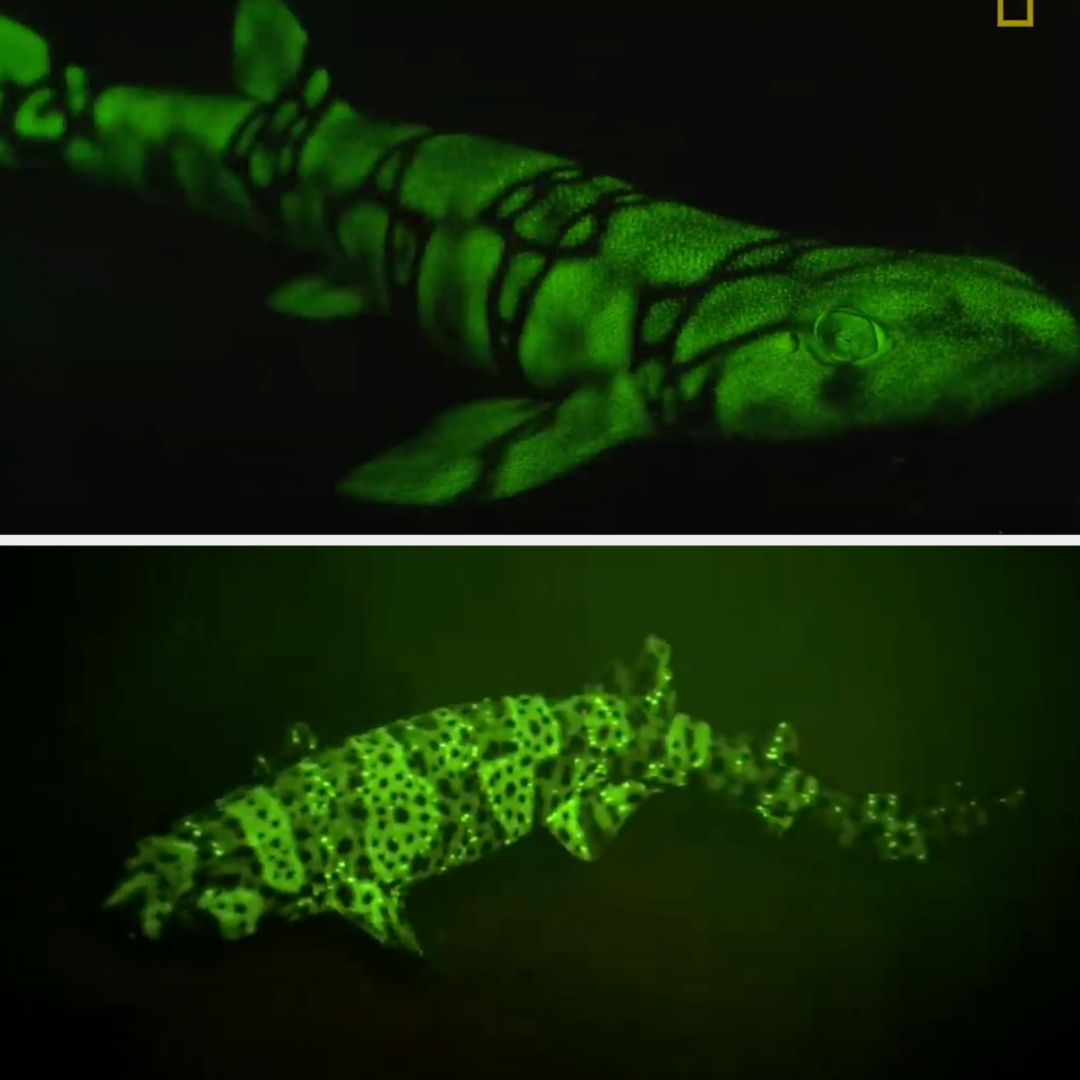
17.And finally, a surprising number of sharks glow in the dark.
They use bioluminescence formanyreasons, including attracting mates, camouflage, warning predators, and hunting.
