You wake in the middle of the night to the sound of your childs screams.
You call their name, but they dont respond.
This situation sounds, and feels, like a parents nightmare or perhaps a scene fromStranger Things.
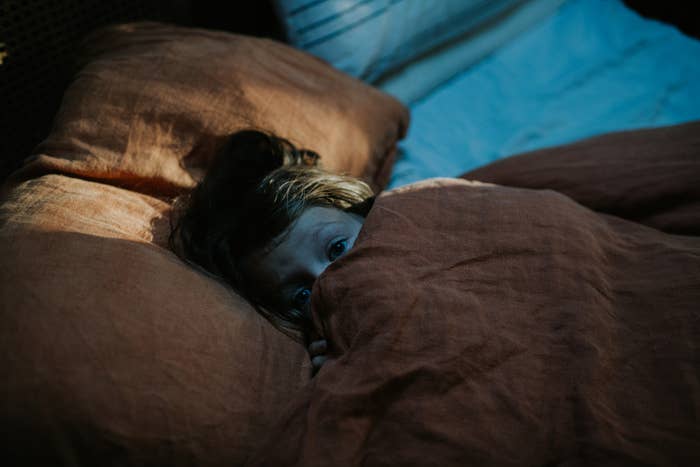
What are night terrors?
Think of a night terror as a nightmare taken to the next level to include sound and motion.
It can be frightening to observe, as the person gives the impression of in great distress.
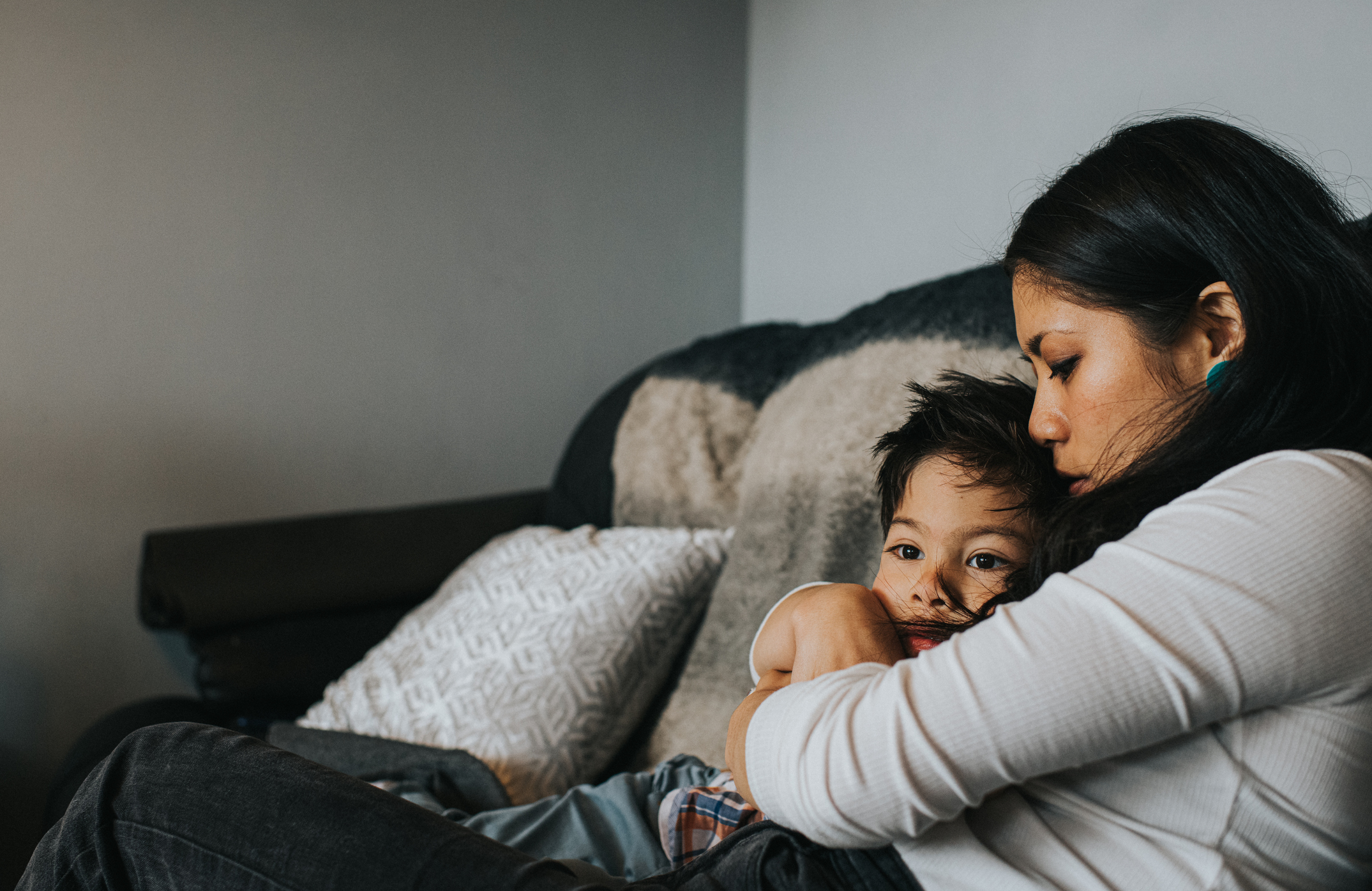
A child having a night terror might sit up in bed.
They might act very afraid and upset.
In spite of all this, the child remains asleep.
Typically, the child will not even respond if someone tries to help,Dr.
Jonathan Miller, chief of pediatric primary care at Nemours Childrens Health in Delaware, told HuffPost.
They can be very difficult, and honestly, almost nearly impossible to console, Snider said.
The good news is that night terrors end without any intervention.
Night terrors in adults are often related to underlying anxiety or post-traumatic stress disorder, Miller said.
In children, night terrors are not uncommon.
Estimates of their prevalence range widely, from 1-30%.
A2022 studyinvolving 324 children who were followed from ages 1-3 found that the incidence was 16.720.5%.
Sleepwalking, sleep talking and night terrors are all considered sleep disorders, or parasomnia.
Sleepwalking may be associated with night terrors, but it is not a night terror itself, Miller said.
How should I handle a night terror?
You may have heard that it is dangerous to awaken a person having a night terror.
Dont attempt to wake your child, Miller advised.
This usually doesnt work, and kids who do wake up are likely to be confused and upset.
If your childs night terrors are frequent, you may be advised to consult a sleep specialist.
Is there any treatment for night terrors?
There is no medication or therapy to treat night terrors.
The best treatment is prevention, Snider explained.
This article originally appeared onHuffPost.
